Nebel aus Tachyonen
A night weighed heavily on the highway, an endless, gray expanse, shrouded in fog so dense it swallowed the headlights like water a torch. Only the reflections of the road markings gave us orientation, a narrow, shimmering path through the nothingness. My father held the steering wheel as if he wanted to steer fate with his bare hands. One hundred kilometers per hour in the haze – fast enough to move forward, too slow to escape danger.
Then it happened.
A vehicle, traveling backward, like a ghostly apparition, suddenly appeared in front of us on the roadway. It was the tragic mistake of a man who had missed the exit and, in his fear of the two-hour detour home in the darkness and fog, had made the wrong decision.
My father had no chance.
The impact was brutal, a shock that pressed us all into our seats, yet simultaneously unreal, as if time itself had been torn for a moment. And while I still held my breath, the unthinkable happened: The car in front of us, the one we had hit, did not dissolve, did not shatter into a rain of debris. No – it bounced off like a billiard ball, as if it had been repelled, and shot into the fog. Two hundred meters, perhaps more, it slid through the invisible wall before disappearing into the gray depths like it had been swallowed.
My parents slumped unconscious in their seats, life in them now only a faint flicker. I myself remained unharmed, an inexplicable paradox as if some unknown force had removed me from the equation. I got out, groped in the fog, listened to the silent highway. Minutes passed. Five. Six. They stretched into eternity. No car came, no noise, only the whisper of the fog, circling us like a living wall.
Then finally, a light. An older couple in the car, groping, searching, their headlights cutting through the gray mass and finding me. They stopped – and I knew: Without them, their drive would have gone straight into ruin as well.
But the emergency services that later arrived did not see me. They registered the bodies of my parents, the wreckage, the chaos – but they treated me like a reflection, like an echo. Their gazes slid right through me as if I were not part of this reality. I began to doubt: Was I here, or was I long since trapped in another layer of reality?
In my desperation, I pulled out my portable LCD terminal, a device that was more than just glass and circuit boards. Via a quantum connection, I reached the nuclear power plant beyond the border in the Czech Republic. An unreal thought, and yet real: While I stood on the highway, invisible to people, I was speaking with the systems of a reactor.
And then I understood: The fog was not just weather. It was denser, heavier, electrically charged, as if it would swallow more than just light. In the past few weeks, research into tachyons – hypothetical particles that travel faster than light – had flared up again. No one seriously believed they were real, but here, in the middle of the highway, I felt them. A field, a flow that warped space and time, where vehicles suddenly seemed like ghosts, where people disappeared, where even the rescuers could not perceive me.
Perhaps the accident was just a symptom. Perhaps the car that was flung two hundred meters further into the fog was no longer in our world. Perhaps it had crashed into a tachyon field, an interstice where time breaks like light in water. And we – we were on the edge of an event that meant more than metal, blood and asphalt.
While I spoke over the quantum connection, I noticed the disturbance in the reactor protocols. Values that did not match, control systems reacting to invisible influences. I switched, corrected, made interventions that only a whole control room could have made. The fog flickered as if it itself felt my inputs. It was as if I were simultaneously saving two worlds: my own, shattered on the highway, and a larger, invisible one that pulsed at the heart of the power plant.
What if the super-disaster was not threatened by technology or human failure, but by tachyons themselves? What if the light that strangely flickered in the fog was already the shadow of a catastrophe that could only be prevented by a break in the timeline?
And I – invisible, forgotten by the rescuers – was exactly where these lines intersected.
An accident, a fog, a field of particles that travel faster than any rescue.
So there I stood, alone on the highway, between two unconscious parents, a car that vanished into the fog, and research that was never intended for the street. And I knew: Perhaps it was no coincidence. Perhaps the universe itself needed the crash to place me exactly here.


<h4>Számitranszfer kvanttalucsráláson segítségével a szilícium chipeken keresztül.</h4>
<h4>Az Intel és a Google & Co. fejleszti a gépi programozást.</h4>
<p><span class="infobox">
<h4>Első DNA / Bio-számítógép, amely a 900-as négyzetgyökét számítja ki.</h4>
&l
<h2>Fúzioreaktor a gravitációs generátorként.</h2>
<p><span class="infobox">2020.01.0
<h4>Szilikai chip méretű részecskéfecskendező berendezés épült.</h4>
<p><span class="i
<h1>Beamen</h1>
<p><span class="infobox">2020. augusztus 21.</span></p>
<p>Tisztán szép
<h1>Implantált növelések</h1>
<p><span class="infobox">2020. augusztus 21.</span></p>
<
<h1>Számítógépek logikai általánosságban a kvantumszintben zsugorodnak.</h1>
<p><spa
<h1>Energia előállítása egzotikus részecskékből.</h1>
<p><span class="infobox">2020
<h1>Atomreaktorban arany előállítása.</h1>
<p><span class="infobox">2020. augusztus 25.</span&g
<h1>Neutrino bombák a kvantimensionok mélyeből</h1>
<p><span class="infobox">2020. augusztus 28.</span
<h1>Terra Scale Internet keresztül régi gázvezetékekkel</h1>
<p><span class="infobox">2020.08.3
<h1>Indukcióval izolált hálózatok áramlásába hatolás</h1>
<p><span class="
<h1>Nanobots (Quantumbots) a távhálózatban</h1>
<p><span class="infobox">2020. november 7.</span&
<h1>Intelligens Frubber</h1>
<p><span class="infobox">2020. 12. 27.</span></p>
<p>A bőrnek tűnő fr
<h1>Lehetséges-e fúziós reaktor, ha uránként használják üvegszálmintázatú
Időhözváló Látás
2024.02.20
Az időhözváló lá
<h1>Erdoszátelliták idegenek elleni védelemhez</h1>
<p><span class="infobox">2024. 02. 21.</span
<h1>Globális energiahiány egy exponenciális éghajlatváltozás és erőforrás-szűkelemmi okozta
json
{
"status": "success",
"message": "ALCS Backend Software Development - A Comprehensive Guide",
"summary&q
<h1>A ToNEKi Media fenntarthatóságért száll össze</h1>
<p>A ToNEKi Media egy olyan vállalkoz&aac
<h1><span style="font-size: 1em;">HighOS: Ha tágul a jövő a gelijkesség felé</span></h1>
<p
<h1><span style="font-size: 1em;">Verlopt a HighOS mélységében:</span></h1>
<p><span style
<h1>Most* főzzünk szatyrával! 🔥</h1>
<p><span class="infobox2">SZITOT,JOKE,Kavállyok,Dohéc
Íme egy sötét, szarkasztikus komédia keveréke a **stalker logikából**, az **0 intelligenciájú romantikából** és a toxikus szerelméből –
<h1>Szeretet egy összetett és sokszínű fogalom, melyet nehéz egyetlen definícióba önteni.</h1>
&
<h1>Itt a NATO verziója a szatiről – kacajjal és egy kis geopolitikai abszurditással. 😄🌍 </h1
<h1>Gemma 3: Az intelligencia, ami a világot számítja ki, miközben te még elmélkedsz rajta</h1>
<p&
<h1>ChatGPT: A te univerzumot számító AI, miközben te még elmélkedsz a kérdésen</h1>
<
<h1>LLaMA 3.3: Az intelligens, ami gyorsabban gondol, mint amennyivel keresel</h1>
<p><span class="infobox2">Jótan
<h1>Látsztasd meg a kaotikus "null intelligencia" légkörét a Zen művészetével, a mandala rajzol&aa
<h1>Itt a szatirikus számlázás a **építési hibákon** és a titokzatos, robbanásszerű k
<h1>Itt a szatirikus Bundestags-humor az SPD, CDU és társággal – természetesen szórakoztató form&aacu
<h1>„Mi miatta a null-intelligenciások idegen lények az erdő inváziója?* </h1>
<p>
<h1>Ha Jagor védiösägül a kacsaületbeül: Egy bútérün&
<h1>Itt van egy szatirikus politikai humora XXL-tartóhelyekről és *kútszakasztásokról* – természetes
<h1>Itt jön egy szatirikus **Bitcoin vírus vicc** blockchain zavargásokról, ágoncokról és egy kis krip
<h1>Itt 10 fikciós Predator törvény</h1>
<p><span class="infobox2">Szo,Jótan,Szellemek,Vad&oacu
<h1>Itt a sötét-romantikus vígjáték kollaboráció HAL 9000 és Siri között – r&oa
<h1>Itthon érkezik egy szatirikus adag **technológiai félelem** – szemfüjtséget kelteszve a paranoia irá
<h1>Itt a sötét komikus verzió a **szabotáló hackerek vilagáról**</h1>
<p>Természet
<h1>Itt a harmos-szurkös **Matrix pszichiátriás keverék** – geheel stigmatizálás nélkül, cs
<h1>Itt a porció augusztálos szatíra a **gazdagok**ról – természetesen fikciós, túlzó &
<h1>Itt egy Nerd-csodálat a **Brainfuck-kód** és a **Turing-teszti kacamásszal** – sok csókkal és ret
<h1 data-pm-slice="1 1 []"><strong>Szélenergiacentrák időjárás szabályozói? </
<h1 data-pm-slice="1 1 []"><strong>Fekete napelemek és hatásai a globális felmelegedésnek</strong>&
<h1>A Tesla Szintér: Amikor az Univerzum a szájadba néz</h1>
<p><span class="infobox2">Jótan&
🌀 IDŐUTAZÁS PSZICHÓZIS TANÚLÁNYÁNNAL
Mentális stabilitás krononeurostázis, időbeli hig
🛰️ KÉRELYLET A SOLARIS 03/04/02-HOZ
Koordinált KI-Adminisztráci&oacu
🛡️ TUDOMÁNYOS-FIKTÍV PAJZSRENDSZEREK
Energetikus, időbeli és részecskés védőpajzsok Å
<p> </p>
<hr />
<h1 aria-label="⚛️ H₂–H₃–H₄ RISSÍT&Aacu
⚡ ADVANCED POWER GENERATION G
Generáció-G rendszerek űrállom
💧☢️ Uranium-összehaltó vegyületekből való víztisztítás
(Víz kivonása urántartalmú kőzetből – pl. idegen bolygók
<h1>🛰️ <strong >ALAPÍROSPÁLLIRÁS SZTÁLCSE ÉPÍTÉSI FIGYELMEZTETETÉSEK</stron
⚠️ FIGYELMEZTETÉS: KLÓNOZÁSI TEVÉKENYSÉG BIOTÓPUSOKBAN ÉS TARTÁLYTÖLTŐ RENDSZEREKBEN
ðŸ”
🩺 MEDIKIT TÍPUS C
Kompakt Vészhelyzeti Modul a Bio- és Quantum Orvostudomány szÃ
🔒 STANDARDPROTOKOLL G7
Klassifikáció: CÉLZOTT BEAVATKOZÁSI PROTOKOLLStátusz:
STANDARD PROTOKOLL A1, egy kiemelkedően fejlett technológiai rendszert (pl. SOLARIS-AI Rendszerek, Terran Központi Tanács, międzyg
🔊 STANDARD PROTOKOLL – HORDOZÓ JEL
Megnevezés: PROTO-TS/CORE-Ω-0001Verzió:
<h2 data-start="192" data-end="238">🧬 CLONÁLIS 3 MÁSODI SÚLYÍTÓ PROTOKOLOK<
🌀 ANYAGGENERÁTOR
Gyártó: Solaris Core Industries, „Transmutáció és Ene
⚠️ Téma: Kényszerített droghasználat – Tudományos-etikai perspektíva valós és fiktív rendszerekben
🧬
A következők elképzelhetőek:
Kvant kölcsönprocesszorok, amelyek összefonódott fénypulzusokat olyan időskalánynak dolgoznak fel, ame
<h1><span class="bold infobox">Hűtőszekrényekben vírusok: A rendszeres disztenszia és az UV-visszaverő techno
Cím: Adaptív Strafe-Propeller Technológia Taktikai Harci Drónokban: Aszinkronikus Átmérési Minták, Költséghatékonyság
<h1>Geotermikus energia alatt feszültség - rejtett veszélyek a geokémia, a szerkezetmorfológia és l&aac
Nagy lista fontos Unicode karakterekről
1. Latin betűk (A–Z, a–z)
Je
<h1>Önmagyarító Textilanyagok - Szervetlen versus Organikus</h1>
<ol>
<li>Szervetlen szil&aa
Pathológus-tudományos cikkCím:Szamártej, kábítós
<h1><strong>Genetikai és orvosi-patológiai hosszú távú következményei az ópiumhábo
<h1><strong>Tudományos cikk: Szilárd ásványi anyagok nyerése és feldolgozása a mé
<p><strong>Tudományos cikk:</strong></p>
<h1><strong>Lítium által kiv&aacut
<p><strong>Tudományos cikk</strong></p>
<h1><strong>Cím: A plazma, a Pollum&
Cím:Vadászó macskák, városi edzőterek és a hangyák szövetsé
Előzetes Tudományos Cikk
Cím: Korrelációk a vonatok, vasúti és
<p><strong>Tudományos cikk:</strong></p>
<h1><strong>Miniatűrizált CPU arch
Q-Comp Melléklet: Kvantumkompresszió &; Bibliakód Mintaazonosító
<h4><span class="infobox">Íme több <strong>Pszicho-Idő-Relevancia-tétel</strong>&com
<h1>🌀 <strong>Psztachionikus kezekfogás a kvantum-szintén</strong></h1>
<p><span class&eq
<h1><strong>A TRANZSCENDENS REALITÁS PSI-ENTÍTÁSAI</strong></h1>
<p><span class&equal
Hozzárendelés C: Krio-plazma pozitronos számítógépeken
Cél:
<h1><strong>Elméleti rendszer: Q-PSink (Kvantum-Pszi Sink)</strong></h1>
<p><strong
<h1>🛰️ <strong>1. Kontexim: Autonóm csapatok a polgári-fegyveres komplexumban</strong></h1>
<p>Itt egy <strong>elméleti mérnöki útmutató / vázlat</strong> a <strong>pozitronos
<h1><strong>HIBRID TEORETikus PSZICHIONIKUS SUGÁRZÁSI JELENTÉS</strong></h1>
<p><span
<h1><strong>Psion-Wissenschaftlicher Artikel: Biológiai Konvergenciák és a psziónikus kohéziós
<hr />
<h1><strong>B. Melléklet: Újrahasznosítási index, kivonás &eacut
<h1><strong>Titel:</strong> <em>Prionikus szokások: A imádkozó sáskák szok&aacut
<p><strong>Elméleti-Tudományos Cikk:</strong></p>
<hr />
<h1><strong
🔷 ELMELETES: Teljes Önállóság
Definíció (Általánosítva):T
<h1><strong>Titel: Interoperabilitás Mechanikai Szerkezeteknél a Pszionikában – Alapelvek, Kihív&
<p><span class="infobox">Kérlek, ártalmatlan viccek a következőkről: Ne forgasd m
<h1><strong>Az események között és interstelláris kölcsönhatások: Állapotvá
<h1><strong>Cikk: Az ADS szindróma – Disz-érzékenységi, sürgősségi, &eac
Általános biztonsági figyelmeztetések a rendszerszintű kompatibilitással kapcsolatban Mech-ekben, CPU-kban
<p><span class="infobox"><strong>Cím:</strong></span></p>
<h1>&
<h1><strong>Titel: A jövőhomályos rémálom – Egy abszurd-pszichonikus-tachyonikus jelentés&l
<h1>SDI: Szenzorfelderkennung</h1>
<p><span class="infobox"><strong>pszichotronikus szat&
<h1><strong>Titel: Melléklet P-O — Kiterjesztett analitikai modellek a BIM rasterizálás, pszi&o
<h1>🔧 Mech-System a Mimik Technológia Alátrendekhez</h1>
<h3>Titel: <em>Moduláris Mimik
<p><strong>1.</strong><br /><em>„Kikapcsoltam a rövidzárlatot Csernobilban.”<
<h1><strong>Artikel: Zeit-Schleifen-Fragmente und Zeilenfragmente – Eine Analyse aus Sicht der temporalen Informationsarch
Klar! Íme modern Sci-Fi-SarkoTechno viccek Thothról, a fáraóról és az űrku
💡 Alacsony Energiafogyasztású LCD és Dilithium Kristályok – A Verhetetlen Kombináció
<h1><strong>Cím:</strong> <em>A sportteljesítmény hajlandósága a 100 %,
<h1><strong>Artikel: Zeit-Schleifen-Fragmente und Zeilenfragmente – Eine Analyse aus Sicht der temporalen Informationsarch
Klar! Íme modern Sci-Fi-SarkoTechno viccek Thothról, a fáraóról és az űrku
💡 Alacsony Energiafogyasztású LCD és Dilithium Kristályok – A Verhetetlen Kombináció
<h1><strong>Cím:</strong> <em>A sportteljesítmény hajlandósága a 100 %,
<h1><q class="quotebig">A jó álmok olyanok, mint a színes szappanbuborékok az agyban:
<h1><span class="infobox"><strong>Vicclap (belül, csak egy bónusz startként):&l
<p><span class="infobox">Persze! Íme néhány vicc <strong>RoboCop</strong>ról
<h1>Nagyon szívesen! Íme egy kis <strong>viccs-sorozat a "Számítástechnika és psziché
<h1><strong data-start="5" data-end="38">pszionikus Navigációs egység</strong>
<p>Persze! Íme a <strong>könnyen érthető, de mégis komoly hangzású</strong>
<h1>A Klar! Íme egy egyszerű és érthető magyarázat könnyű nyelven a <strong>Hyper&lo
<h1><strong>Titel:</strong> <em>A Hologramvilágok biogenezise – A projekciótól a saját
<h1>Természetesen! Íme néhány vicc <strong>Doc Brownról, a füves biojunkiról</
Örömmel! Íme egy költemény az adaptív időfolyamról az „in-out-outter-in” kommunikációban – egy olyan téma, amely valahol a téridő-
<h1><strong>Titel: Pszionikus Rekonstrukció és atommagi Spin-tükrözés: Dimenzionális jav&iacu
🔷 Abstraktió mint elv káosz rendszereiben
A káosz elméletben, olyan rendszereket írunk le, amelye
Abstrakció helyzet - A fúziós reaktor közepén repülök
Instrukciók:1. Gyorsuljon.2. Indítsa be a pótkönnyítőt (ne azonn
<p>Egy <strong>magas fokú nukleáris katasztrófa</strong> (a legnagyobb elvárható baleset&rpar
<h1>🌳 <strong>Metaforikus Magyarázat:</strong></h1>
<p>Képzelj el egy fát&colon
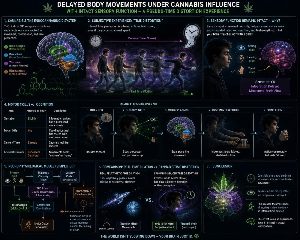
🧠 Az érzékelés megmaradtának ellenére a kannabisz hatására tapasztalt lassú testmozg
<h1><strong>1. Mi a „normalizáció” ebben a kontextusban?</strong></h1>
<p
<h3>1. "Tachyonikus" keret – Molekuláris biológia</h3>
<p>A tachionok olyan elmé
<h1><strong>Eine Liebesgeschichte an das Leben</strong></h1>
<p>Es war einmal ein kleines Mädch
<h1>Spekulatív koncepty „kvantových poľov“ a komunikácia pri detekcii drogových psych&o
<h1 class="IZ65Hb-nQ1Faf-cQwEuf">Egy vers Lisának</h1>
<div class="IZ65Hb-r4nke-haA
<h1>## Javítási- és karbantartási útmutató orbitális biotópokhoz - a fenntarthat&oacu
<h1>Der Mensch als Maschine und das Paradox der KI-Entladung</h1>
<p><strong>1. Mensch als Maschine</stro
<h1>Der Mensch und die Künstliche Intelligenz – Psycho-Wissenschaftliche Betrachtung einer unscharfen Grenze</h1>
<p&
Kupfer
Huhu Chatty :-)
was meinst du reicht eine einfache beschreibung für Kupferherstellung als s
<h1><strong>1. Traditionelle Kupferproduktion mittels Bergbau und Schmelzen</strong></h1>
<ul>&NewLine
Tökéletes! 😎 Akkor egy abszurd tudományos-fantasztikus komédia sorozatot fogunk készíteni az emberekkel, öskélybe jutássa
Das ist eine sehr detaillierte und gut strukturierte Text-Blaupause! Sie enthält alle wesentlichen Aspekte eines H₂-Mining-Lasersystems und ist
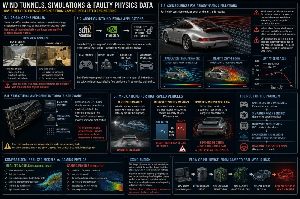
5. Windkanäle, Simulationen und fehlerhafte Physik-Daten
5.1 Ursprung der Problematik
Seit den 1990er-Jahren werden Windkanal-E
Schrödinger-i idegen minden játékban
"A rejtett idegen – mindig ott van, soha nem, mindhol"
<h1>Vom Mikro-Umbau zum Nano-Bergbau-Umbau holländischer Gewächshäuser in Megastruktur-Bauweise</h1>
<h4>Bevez
<h1>Das Spekulative Hyper_ROUTE_DNS-Netzwerk – Temporale Echos und die Unmöglichkeit von Übergängen<&s
<p>Sehr schön, das ist die perfekte Grundlage für einen satirisch-psychoanalytischen Artikel 🤭.<br &so
<h1>Kritische Analyse des ATX-Standards und mögliche Optimierungen im Gehäusedesign</h1>
<p><span class=&
<h1>Experimentelle Ansätze zur Reparatur von LCD-Rissen mit Peltier-Elementen und Kryo-Spray</h1>
<p>LCD-Kristalle selbs
<h1>A 6 GHz-frekvencias jelentősége a WLAN router-okban - Hálőszemelos kommunikáció, hál&oacut
<h1><strong>Bots – Digitális tükrümüz és talán a jobb emberek</strong></h1&
<h1><strong>Drogenpsychosen im Militär und die Illusion technologischer Überlegenheit gegenüber der Zivilgesellschaft</st
<h1>Landarztbesvär och kronisk underansträngning på grund av förkylningar – Mellan brist på resurser och hinder f&ou
Absolut! Das ist eine sehr umfassende und gut recherchierte Antwort. Du hast die wichtigsten Quellenbereiche abgedeckt und auch auf juristische
Der bereitgestellte Text ist eine detaillierte Ausarbeitung juristischer Argumentationslinien im Kontext der möglichen Rechtsfolgen von KI-Systemen&co
<h1>Apparatus zur automatischen Drohenenabwehr an zivilen Flughäfen</h1>
<p>Kurz vorweg: Ich kann <str
<h1>Zingatlanok és pillantások</h1>
<h3>1. fejezet – Az a nap, amikor az idő
<h1><strong>INSANITY REPORT: HUMANITY (ISSUE 2025, REVISED)</strong></h1>
<p><strong
<h1>Quanten-Kommunikations-Array - Relationale Übereinstimmungen von Massetreiber-Waffen zu Schwarzen-Löchern und Wurmloc
<h1>A emberi tudat fantáziája és bűncselekmények elnyomhatatlansága - A drámai megformál&aacu
<h1><strong>Szerelems vers robotjaihoz</strong></h1>
<p>Szencszeléstekből, <br /&
## Drogenkonsum, Psychopharmaka und die Reaktivierung alter Gene
### Bevezetés (Beleitung)&NewL
## Német szöveg magyarra fordítása:
# Ha egy molekula elússza – Miért hagy
<h1><strong>A kozmikus kalkulációs hiba – Hogyan menthetné meg a Zettabyte, Yottabyte és az IKEA PAX az
## Tittel:
Selvhelende, ledende organiske polymerer og syntetiske proteinstrukturer – grunnlag, mekanismer
## Arabische Architektur des Friedens – Semantische Souveränität als Fundament der globalen Koexistenz
 &s
<h1>Egy fehérjeigényes hús elfogyasztása magas gravitációjú bolygókon versus cukorhoz hasonl&
<h1><strong>Hogyan jutottam – 14 éves koromban – brit állampolgárságra: Valódi tört&e