Landdoctors and chronic underutilization due to common colds – Between supply shortages and innovation barriers
Introduction
Primary care in rural areas is the backbone of basic medical care. Paradoxically, country doctors are simultaneously overloaded and **underutilized**: overloaded by high patient numbers and bureaucratic regulations, underutilized by the content reduction of their work to minor illnesses such as common colds, vaccinations or sick leave certificates. Structural obstacles such as the long prohibition of telemedicine, restrictive data protection and increasing costs of new technologies exacerbate the problem. This leads to a **chronic misallocation of medical resources** – with serious consequences for healthcare.
1. Chronic Underutilization: The "Common Cold Syndrome"
Country doctors in rural regions face a variety of cases daily that are **medically trivial but time-consuming**:
-
Upper respiratory tract infections (common colds, coughs, colds)
-
Routine vaccinations
-
Repeat prescriptions and sick leave certificates
Complex internal medicine or psychosocial issues, for which country doctors are actually trained, are treated less often – often because patients directly consult specialists or clinics. This imbalance leads to **dequalification through routine work**.
2. Hindrance of Technological Innovation
Telemedicine – a Late Start
Telemedicine could have relieved the burden on country practices by digitally treating simple cases and specifically triaging more complex cases. However, its use was prohibited or heavily restricted for many years. Only in recent years is telemedicine being introduced hesitantly in Germany, while other countries have long since established comprehensive models.
Data Protection as an Innovation Barrier
While data protection in healthcare is essential, a **overly regulated interpretation of the GDPR** in Germany often prevents sensible innovations:
-
Telemedicine systems fail due to exaggerated security requirements.
-
Electronic patient records are fragmented or impractical.
-
AI-based diagnostic systems remain limited to pilot projects.
The protection of individual data is thus actually placed above the **safeguarding of collective health**.
3. Economic Imbalance
New technologies – such as digital consultations, diagnostic devices or practice software – are becoming increasingly **unaffordable** for country doctors. At the same time, many services that would require modern technologies (e.g. telemedicine consultation, digital monitoring systems) are not adequately reimbursed by health insurance companies. This reinforces the tendency that country doctors only perform the **minimally reimbursed routine services**.
4. Transitional Solutions
To bridge the current shortage, **pragmatic interim solutions** can be introduced:
-
Delegation to medical staff: Common colds, vaccinations and sick leave certificates could be taken over by specially trained "Physician Assistants" or community nurses.
-
Regulated Telemedicine: For minor illnesses, video consultations should be the rule, with country doctors only taking over cases with higher complexity.
-
Incentive systems for technology: Practices that use digital systems should receive financial benefits (e.g. tax incentives, higher reimbursement rates).
-
Data Protection Rebalancing: Clear legal guidelines that enable innovation without endangering patient safety.
5. The Optimal Solution – From the Common Cold Practice to the Regional Healthcare Center
In the long term, the country practice should not be seen in isolation, but as a **hub in a digital and interdisciplinary healthcare network**:
-
Digital Triage: Common cold cases are immediately treated via telemedicine per AI-based platform.
-
Hybrid Care: Country doctors take care of complex cases that are diagnostically and therapeutically demanding.
-
Connected Practices: Country doctors, specialists, clinics and nursing staff are continuously connected via secure data spaces.
-
Resource Efficiency: Patients receive the right treatment in the right place – routine digitally, complexity on-site.
This transforms the country practice from a **"common cold clinic" to a state-of-the-art healthcare center** that acts digitally, efficiently and close to patients.
Conclusion
The chronic underutilization of country doctors due to minor illnesses is not an individual, but a structural problem. Due to outdated regulations, excessive data protection and economic disincentives, care in Germany is systematically made inefficient. Transitional solutions such as delegation and telemedicine can relieve the burden in the short term, but in the long term, a **paradigm shift towards networked, digital healthcare centers** is needed. Only in this way can country doctors develop their full potential – and the population benefits from high-quality, efficient and modern medicine.


<h4>Datatransfers uz kvantu līmenī ar palīdzību no silīcija mikroshēmačiem.</h4>
<p><span class="infobox">28.12.2
<h4>Intel un Google & Co. attīvo mašīnmākslīgi programmēšanu.</h4>
<p><span class="infobox">2
<h4>Pirma DNS / Bio-dators, kas aprēķina kvadrātsakni no 900.</h4>
<p><span class="infobox">05.01.2019</span><
<h2>Mērogusreaktors kā Gravitācijas Generators.</h2>
<p><span class="infobox">08.01.2020</span></p>
<
<h4>Daļiņu paātrinātājs silīcija mikroshēmu izmēra garumā.</h4>
<p><span class="infobox">09.01.2020</span>
<h1>Beamen</h1>
<p><span class="infobox">21.08.2020</span></p>
<p>Reāla fantastika, kas kādreiz varē
<h1>Implantētas Augmentācijas</h1>
<p><span class="infobox">2020. gada 21. augusts</span></p>
<p>Ī
<h1>Loģiskie shķēliem datoros samazināsies kvantu līmenī.</h1>
<p><span class="infobox">21.08.2020</span><
<h1>Enerģijas iegūšana no exotiskām daļiņām.</h1>
<p><span class="infobox">2020. gada 22. augusts</span&
<h1>Dzeltenis atomreaktora ražošana.</h1>
<p><span class="infobox">2020. gada 25. augusts</span></p>
<h1>Kvadrantu slāvu neitrīnu bombardēji no plašumiem</h1>
<p><span class="infobox">2020. gada 28. augusts</s
<h1>Terra Scale Interneta ca veka veco gāzes vadāmvadoļu tīklu</h1>
<p><span class="infobox">2020. gada 31. augusts&
<h1>Indukcijas līdzināšanās izolētām tīkliem</h1>
<p><span class="infobox">2020. gada 22. oktobrī</span&
<h1>Nanoboti (kvantu botu) strāvas ķēdē</h1>
<p><span class="infobox">07.11.2020</span></p>
<p>Ma
<h1>Inteliģents Frubber</h1>
<p><span class="infobox">27.12.2020</span></p>
<p>Frubber ir ādas līdzÄ
<h1>Vai ir iespējams fuzijas reaktors ar urānu kā degvielu, no kura izdalīts ūdenim vēl arī pārvērsts par He3 un He4?</h1>
<p>&l
Laika Atpakausēšanās
2024.02.20
Laika atpakausēšanas redze apraksta tehnoloģiju, kas ar
<h1>Dzirnavu Satellīti Puņupiena Nodarbināšanai</h1>
<p><span class="infobox">21.02.2024</span></p>
<h1>Globālo Enerģijas Neeksesības Scenārijs Eksponentālai Audžu Apkaltībai un Rezervju Trūkumam</h1>
<p><span class="info
<h1>Auto Learn Cluster Software (ALCS) – Norādījumi, lai realizētu sadalītu AI skaitludziņu aprēķini internetā</h1>
<p><
<h1>Pielāgošana ar IA tehnikas no ziedlēšanas pētījumiem uz LLM, lai samazinātu halucinācijas</h1>
<p><span class=
<h1>ToNEKi Media ir vērsta uz ilgtspēju</h1>
<p>ToNEKi Media ir uzņēmums, kas ar lielu atbalstu iesaistās ilgtspējā viesmīlē un
<h1><span style="font-size: 1em;">HighOS: Jauns pasaules vienotība</span></h1>
<p><span class="infobox2&qu
<h1><span style="font-size: 1em;">Zaudēts HighOS dziļumos:</span></h1>
<p><span style="font-size: 1em;&q
<h1>Tagad* vāram ar satiru! 🔥</h1>
<p><span class="infobox2">JOKS, Joks, Kawały, Dowcipy</span></p>
<
<h1>Lūk, tumša un sarkastiska komēdijas maisījums no **Stalkera loģikas**, **0 IQ romānas** un toksiskās mīlestības — protams, p
<h1>Mīlestība ir sarežģīts un daudzšķietīgs koncepts, kas grūti apstiprināt vienā definīcijā.</h1>
<p>Tās ir spēcī
<h1>Lūk NATO versija par satiru – ar atvainojamību un nedaudz geopolitiskas absurditātes. 😄🌍 </h1>
<p>
<h1>Gemma 3: AI, kas kalkulē universu, kamēr tu joprojām domā par šo jautājumu</h1>
<p><span class="infobox2">
<h1>ChatGPT: Mākslīgais intelekts, kas aprēķina Visumu, kamēr tu vēl domā par jautājumu</h1>
<p><span class="infobox2&quo
<h1>LLaMA 3.3: Mākslīgais Intelectualisms, kas domā ātrāk par to, ko tu meklē Google</h1>
<p><span class="infobox2">
<h1>Lādamies ar kausu "Nulla Inteliģence" un savieno to ar Zen mākslas tehniku mandala zīmēšanā</h1>
<p><span
<h1>Lūk, satīriska atskaide par būvniecības **grēku** un misticiskajām eksplodējotajām izmaksām — protams, ar daudz acu viena un būvs
<h1>Liekumā satīriska Bundestāļa humorists ar SPD, CDU un citiem – protams, lieliski formātā un bez naidīgiem nolūkamiem. 😄🇩ð
<h1>"Kāpēc neveica zēni no 0-intelektu svešlīdznieki Zemes iebrukumā?* </h1>
<p><span class=&
<h1>Ja, kad jaguarā kļūst lapsa: Izkopšana par neparastu nūdžu grauzēju pasauli</h1>
<p><span class="infobox2"&
<h1>Liekumā ierakstīts satirs par politikā, īpaši par **XXL Bundestāgam** un *teresamajos ieņēmumos** – protams, ar mirdzo&scaron
<h1>Šeit ien satīrisks **Bitkoinu viraža** ar blokķēdes haosu, iegriezieniem un krypto absurditāti. 😄🔗 </h1&g
<h1>Lūk, 10 iztēlā radīti Predator likumi</h1>
<p><span class="infobox2">VĒਟਰšs,Joks,Kavaļi,Džeksti<
<h1>Liekums un romantisks komēdiju sadarbība starp **HAL 9000** un **Siri** – ar rozēm, sarkasmu un AI dramu. 🌹🤖💔</h1>
<p
<h1>Labi nāk satīriska devēja **tehnoloģiju bailes** — ar mīnusu pret paranoju, kas mūs visus slejīgi traucē. 😱📱 &nb
<h1>Lūk, tumsā satīriska versija no **rognošanas cietnieku pasaules**</h1>
<p>Protams, pilnīgi izklaidējoša un ar mir
<h1>Lūk, harma un smieklī **Matricas psihoterapijas sajaukums** – pilnīgi bez stigmatizēšanas, tikai ar žekleni un popkultūras kau
<h1>Likus atveru atspējošanu satīra über **bagātro cilvēku** – protams, pilnīgi iztēlēts, pārmotivs un ar mīlestī
<h1>Lūk, nerds leģenda no **Brainfuck koda** un **Turing testa kaoss** – ar daudz zināsmes un retro datoru absurdistiku. 😄🤖&nb
<h1 data-pm-slice="1 1 []"><strong>Baltijas vējš发电站 kā laikapstāvēšanas kontroles līdzekļi?</strong>
<h1 data-pm-slice="1 1 []"><strong>Tumši Saules Paneļi un To Ietekme Uz Globālo Apkrišanu</strong></h1>
&
<h1>Tesla's Leierkasten: Wenn das Universum dir aufs Maul schaut</h1>
<p>Witz, Joke, Kawāly, Dowcipy</p>
<p>10.04.2025&
Okay, this is a *massive* amount of text to summarize! It's essentially an incredibly detailed analysis of the data economy and its implications for l
<h1>Uzņēmums 4.0 prasa nodarījumu 4.0: Kā darbojas nākotnes nodokļu sistēma</h1>
<p><span class="infobox">2025. ga
🌀 LAIKA CEĻOŠANA BEZ PSIHOZES
Mentālā stabilitāte ar krononeurostāzi, laika higiēnu un sm
🛰️ PIETEIKUMS PAR SOLARIS 03/04/02
🛡️ NAUDZAS FIKTORIEŠKU SIEŽĒŠANAS SISTĒMAS
Enerģētiskie, temporālie un zirdelīgie aizs
<p> </p>
<hr />
<h1>⚛️ <strong style="font-weight: 900">H₂
⚡ ADVANCED POWER GENERATION G
Generation-G Systemas kosmosstacijām, planētiskajām tīkliem u
💧☢️ Ūdens rafinēšana urāna yhopleksu novienojumiem
(Ūdens ekstrakcija no urānu saturošajās sienē – p
<h1>🛰️ <strong>BĀZES KOSMIKĀS STACIJAS KONSTRUKCIJAS BRĪDINĀJUMI</strong></h1>
<hr
⚠️ BRĪDINĀJUMS: KLONU AKTIVITĀTE BIOTŌPIJU UN TANKU PIEPILNĪŠANAS SISTĒMĀS
🔬 Kritiskais droš
🩺 MEDIKIT TĪPA C
Komplekts ārkārtas moduļs bioloģiskai un kvantmedicinai
🔒 STANDARDPROTOCOL G7
Klasifikācija: MIRA PROTOKOLSStāvoklis: AKTĪVS DALĀS
STANDARTA PROTOKOLS A1, formulēts oficiālās kosmiskās stacijas vai valdības sistēmas stilā ļoti izstrādātā tehnoloģisko kā
🔊 STANDARTA PROTOKOLS – NOKĀRĪGAS SIGNĀLS
Nosaukums: PROTO-TS/CORE-Ω-0001Versija:
<h2 data-start="192" data-end="238">🧬 KLONU 3 SEKUNDES IZBEIGAS PROTOKOLI</h2>
<p><span class="infobox&quo
🌀 MATERIJU ĢENERATORS
Ražotājs:
⚠️ Tēma: Prasīvs medikamentu lietojums – zinātniskā-ētiskā perspektīva reālajos un fikcijas sistēmās
Nosaukums: Adaptīva redze, izmantojot Einšteina laika dilatācijas konstanti – teorētiski-fizisks pieeja dinamiski mainīgām uztveršanas
<h1>**Ledussaldienošana saldējamā: nepieciešamība regulārai dezinfekcijai un UV staru tehnoloģijām – mācības no ledkosmos
<h1><strong>Vissdienīgs zinātniskais raksts: Eksponentāla šūnu augšana, vēža izraisīšana un izvirmigrācijas apvidÄ
<h1><strong>Laserpētniecība un uzraudzības sistēmas dzelzceļiem ar atspīduma ģeomētijām un daudsvirslīgas detekcijas izmantoša
Tituls: Straintsuļu tehnoloģija automobiļu nozarē — Jauns laiks aktīvai sadursmes novēršanai, braukšanas dinamikai un dro&sca
Nosaukums: Adaptīvā strafe vingju tehnoloģija takstiskajos cērna dronos: Asinhrona lidošanas模式s, izmaksām mazināšana un aizdodzība
<h3>Tagi par Polilīlijā: Ko jādara, lai to raffinētu līdz patpurveksam?</h3>
<p><strong>Polilījijs</strong> zinātnisk
<h1>Geotermiskā spriedze - Slēpti riski no ģeoķīmijas, struktūrmorfoloģijas un neaizsniedzamiem atgriezenes ķēdes</h1>
<h2>Saru
Lielā Unicode Zīmju Saraksts
1. Latviešu Alfābets (A–Z, a–z)
<h1><strong>Struktūriskās priekšrocības un trūkumi 4-3-3 formācijā salīdzinājumā ar citām klasiskajām formācijām mūsdienu
Patoloģiski-zinātniskais rakstsNosaukums:Kazu piena lietošana, narkotiku atkarība un ģ
<h1><strong>Genetiskās un medicīniski-patoloģiskās ilgtermiņa sekas Opija kariem: Interdisciplināra analīze par ģenētiskā baseina deg
<h1><strong>Zinātniskā raksta: Īpašresursu ieguve un apstrāde zemūdens un enerģētikas sektoro
Ekstrakcija kodolu sprāgstu materiālu, smagā ūdens ieguve un darbība hēlija atmosfērā — tehnoloģijas pie robežas ar stratēģis
<p><strong>Zinātniskais raksts:</strong></p>
<h1><strong>Litiija izraisīta hlor&emacr
<h1><strong>Emerging Markets un akvatiskās resursi: Signālk vēzis kā jauns pārtikas avots un Māksl&im
<p><strong>Zinātniskais raksts</strong></p>
<h1><strong>Nosaukums: Starp plazmu, Pol
Titul:Brīvībā dzīvojošas kaķienes, Urbanās apmācības laukumi un Vārzu sabiedrība-Federālisms: Bio-plan
<p><strong>Zinātniskais raksts:</strong></p>
<h1><strong>Miniatūrizētas CPU ar
Anhang Q-Comp: Kvantu kompresija &; Bībeles koda atzīšanās
Piemērs vienkāršu
<h4><span class="infobox">Šeit ir vairāki <strong>Psiholoģisko Laika Neatkarības (PLN)<
<h1><strong>DIE PSI-LEBĒVESEN DER ENTGRENZTEJĀ REALITĀTE</strong></h1>
<p><span class&eq
Anhangs C: Kriokaimu Plazma pozitroniskās datorsistēmās
Mērķis:Kriokaimu plazmas tehnoloģijas ie
<h1><strong>Teorētiskā sistēma: Q-PSink (Kvantu-Psitoks iekārtas uztvērējs)</strong&
<h1><strong>HIBRIDIZĒTAS TEORĒTISKAS PSI-TAHIONISKA STAROŠANĀ ATASKSNES</strong></h1>
<
<h1><strong>Psionisko zinātniskais raksts: Bioloģiskās konverģences un to psioniskie kohērences lauki</strong&
<hr />
<h1><strong>Pielikums B: Atkritspēju indekss, nolietojums un pielāgošanas pasākum
<h1><strong>Titulis:</strong> <em>Prioniskā Ieradums: Dievogoniņu parastos paradumus un cilvēku
<p><strong>Teorētiski zinātniskais raksts:</strong></p>
<hr />
<h1><
🔷 THEORĒTISKĀ KONCEPTS: Pilna Pašvadības Autonoms
Definīcija (Pašreizējā):Pilna Pašva
<h1><strong>Nosaukums: Mehānisku iekārtu (Mehu) un Psionikas mijiedarbība – pamati, izaicin&amacr
<p><span class="infobox">Lūdzu, nekaitējuši joci par: Tu nedrīksti pagriezt govi!<
<h1><strong>Starp gadījumiem un interstēlārām kolaterācijām: Teorētiski zinātniska izp&em
<h1><strong>Raksts: ADS sindroms – Dis-sensitivitātes, steidzamības un sensorikas salīdzinājums ar kl
<p><span class="infobox"><strong>Nosaukums:</strong></span></p>
<h1>&
<h1>SDI: Sensoru Detekcija</h1>
<p><span class="infobox"><strong>Psitroniski-satīris
<p><strong>1.</strong><br /><em>„Es pieviena īssavienojumu Černobiljā&period
<h1><strong>Artikel: Zeit-Schleifen-Fragmente und Zeilenfragmente – Eine Analyse aus Sicht der temporalen Informationsarch
<h1>Klar! Lūk, ir mūsdienīgas Sci-Fi SarkoTehno jociņas par <strong>Thoth</strong>, <str
<h1><strong>Nosaukums:</strong> <em>Sportiskā snieguma gatavība spriedzes laukā starp 100%&comma
<h1><strong>Artikel: Zeit-Schleifen-Fragmente und Zeilenfragmente – Eine Analyse aus Sicht der temporalen Informationsarch
<h1>Klar! Lūk, ir mūsdienīgas Sci-Fi SarkoTehno jociņas par <strong>Thoth</strong>, <str
<h1><strong>Nosaukums:</strong> <em>Sportiskā snieguma gatavība spriedzes laukā starp 100%&comma
<h1><q class="quotebig">Labus sapņi ir kā krāšņs ziepu burbuļi prātā&colon
<h1><span class="infobox"><strong>Witz (iekšējais, tev kā papildus sākumam)&col
<h1><strong data-start="5" data-end="38">psioniskās navigācijas ierīce</strong> p
<p>Gerne! Šis ir <strong>viegli saprotamais, bet tomēr nopietni skanīgais formulējums</strong> s&
<h1><strong>Nosaukums:</strong> <em>Biogēne hologrāfu pasaules radīšana — no projekcijas l
<h1>Dabis! Lūk, daži joci par <strong>Doc Brown, kuņģīm esošā bio-junkija</stro
Ar prieku! Šeit ir dīkls par adaptīvu laika plūsmu "iņero-ārau-ārtero-iņero" komunikācijā – tēma, kas atrodas kaut kur starp tarpvietu-l
🔷 Abstrakcija kā princips haotiskās sistēmās
Haotikas teorijā mēs aprakstām sistēmas, kas ir determinējamas
Abstrakta situācija - Es lido fūzijas reaktora vidū
Instrukcijas:1. Paaugstināt ātrumu.2. Iegādāt papildu degvielu (afterbur
<h1>🌳 <strong>Metaforisks Paskaidrojums:</strong></h1>
<p>Iedomājieties koku:</p&
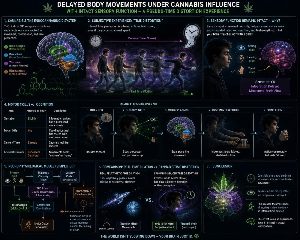
🧠 Ķermeņa kustību ilgtspēja kanabisu ietekmē ar intaktu sensoriku — pseudo-relatīvistiska pieredze
1.
<h1><strong>1. Kas “Normalizācija” nozīmē šajā kontekstā</strong&
<h3>1. "Tahioniskais" Rāmis - Molekulārbioloģija</h3>
<p>Tahioni ir hipotētiski da&lcedil
<h1>Spekulatīvie "kvantu lauka" koncepti un komunikācija zāļu psihožu atklāšanai</h1>
<h1 class="IZ65Hb-nQ1Faf-cQwEuf">Ein Gedicht für Lisa</h1>
<div class="IZ65Hb-r4nke-h
<h1>Reparatur- und Wartungsanleitung für Orbitale Biotope – Fokus auf Nachhaltigkeit und Sicherheit – Eine Anleitung für Indien
Vecie raķetes un apdraudēta degviela – vislielākā izletinātība
Militārindustrināraja kompleksa sirdīcē pastāv paradoks, par kuru r
<h1>Der Mensch und die Künstliche Intelligenz – Psycho-Wissenschaftliche Betrachtung einer unscharfen Grenze</h1>
&NewLi
Kupfer
Huhu Chatty :-)
was meinst du reicht eine einfache beschreibung für Kupferherstellung als s
<h1><strong>1. Traditionelle Kupferproduktion mittels Bergbau und Schmelzen</strong></h1>
<ul>&NewLine
Absolut! Hier ist die kompakte Textgrafik, die die Laserplattform und den Materialfluss in einem einzigen ASCII-Diagramm darstellt – richt
Šrödingera cita visās spēlēs
"Slēptais citas - vienmēr ir tur, nekad nav tur, vienmēr jebkurā vietÄ
<h1>Vom Mikro-Umbau zum Nano-Bergbau-Umbau holländischer Gewächshäuser in Megastruktur-Bauweise</h1>
<h4
<h1>Das Spekulative Hyper_ROUTE_DNS-Netzwerk – Temporale Echos und die Unmöglichkeit von Übergängen<&s
<p>Ļoti labi, tas ir perfekts pamats satīriski-psihoanalītiskiem rakstiem 🤭. Lūk, jūsu "Psi
<h1>ATX standarta kritiskā analīze un iespējamās optimizācijas korpusa dizainā</h1>
<p>&l
<h1>Experimentelle Ansätze zur Reparatur von LCD-Rissen mit Peltier-Elementen und Kryo-Spray</h1>
<p>LCD-Kristalle selbs
<h1>6 GHz frekvenciju nozīme WLAN marķierētajiem - Nudziņu sakaru, tīkla stabilitātes un nākotnes p
<h1><strong>Bots – Digitale Spiegel unserer selbst und vielleicht die besseren Menschen</strong></h1>
&NewLin
<h1><strong>Drogenpsychosen im Militär und die Illusion technologischer Überlegenheit gegenüber der Zivilgesellschaft</st
Das ist eine sehr umfassende und gut recherchierte Antwort! Du hast die Frage nach "wissenschaftlichen Beweisen" für KI-bezogene Sch&au
<ol>
<li>Beweislast des Schadenersatzes: Der Beweis, dass eine KI-Entität zu einem Schaden geführt hat (z&pe
<h1>Nebel aus Tachyonen</h1>
<p>Nacht lag schwer auf der Autobahn, eine endlose, graue Fläche&comma
<h1>Apparatus zur automatischen Drohenenabwehr an zivilen Flughäfen</h1>
<p>Kurz vorweg: Ich kann <str
<h1>Zwischen Pinguinen und Blicken</h1>
<h3>Kapitel 1 – Der Tag, an dem die Zeit innehielt</h3>
<h1><strong>Insanity Report: Humanity (Edition 2025, Revised)</strong></h1>
<p><stro
<h1>Drogenkonsum, Psychopharmaka und āmīķu gēnu atjaunošana</h1>
<h3>Ien&amacr