Landdoctors and chronic underutilization due to a cold – Between a shortage of supplies and a hindrance to innovation
Introduction
Primary care in rural areas forms the backbone of primary healthcare. Paradoxically, country doctors are simultaneously overloaded and underutilized: overloaded by high patient numbers and bureaucratic requirements, underutilized by the reduction of their work to minor illnesses such as colds, vaccinations or sick leave certificates. Structural obstacles such as the long ban on telemedicine, restrictive data protection and rising costs of new technologies exacerbate the problem. This leads to a chronic misallocation of medical resources – with serious consequences for healthcare.
1. Chronic Underutilization: The "Cold Syndrome"
Country doctors in rural regions face a variety of cases daily that are medically trivial but time-consuming:
-
Upper respiratory tract infections (colds, coughs, flu)
-
Routine vaccinations
-
Repeat prescriptions and sick leave certificates
Complex internal medicine or psychosocial issues, for which country doctors are actually trained, are treated less often – often because patients directly seek specialists or clinics. This imbalance leads to dequalification through routine work.
2. Hindrance to Technological Innovation
Telemedicine – a belated start
Telemedicine could have relieved the burden on country doctors by treating simple cases digitally and specifically triaging more complex cases. However, its use was legally prohibited or heavily restricted for many years. Only in recent years is telemedicine being introduced hesitantly in Germany, while other countries have long established nationwide models.
Data Protection as a Hindrance to Innovation
While data protection in healthcare is essential, in Germany an overly regulated interpretation of the GDPR often prevents sensible innovations:
-
Telemedicine systems fail due to excessive security requirements.
-
Electronic patient records are fragmented or impractical.
-
AI-based diagnostic systems remain limited to pilot projects.
The protection of individual data is thus essentially placed above the safety of collective health.
3. Economic Imbalance
New technologies – such as digital consultations, diagnostic devices or practice software – are becoming increasingly unaffordable for country doctors. At the same time, many services that would require modern technologies (e.g. telemedicine consultation, digital monitoring systems) are not adequately reimbursed by health insurance companies. This reinforces the tendency that country doctors only perform the minimally reimbursed routine services.
4. Transition Solutions
To bridge the current shortage, pragmatic interim solutions can be introduced:
-
Delegation to medical staff: Colds, vaccinations and sick leave certificates could be taken over by specially trained "Physician Assistants" or community nurses.
-
Regulated Telemedicine: For minor illnesses, televisits should be the rule, with country doctors only taking on cases with higher complexity.
-
Incentive systems for technology: Practices that use digital systems should receive financial benefits (e.g. tax incentives, higher reimbursement rates).
-
Data Protection Rebalancing: Clear legal guidelines that enable innovation without jeopardizing patient safety.
5. The Optimal Solution – From the Cold Clinic to the Regional Care Center
In the long term, the country doctor's practice should not be seen in isolation, but as a hub in a digital and interdisciplinary care network:
-
Digital Triage: Cold cases are immediately treated via telemedicine per AI-based platform.
-
Hybrid Care: Country doctors care for complex cases that are diagnostically and therapeutically demanding.
-
Networked Practices: Country doctors, specialists, clinics and nursing staff are continuously connected via secure data spaces.
-
Resource Efficiency: Patients receive the right treatment in the right place – routine digitally, complexity on-site.
This transforms the country doctor's practice from a "cold clinic" to a state-of-the-art care center that operates digitally, efficiently and close to patients.
Conclusion
The chronic underutilization of country doctors due to minor illnesses is not an individual, but a structural problem. Due to outdated regulation, excessive data protection and economic disincentives, care in Germany is systematically made inefficient. Transition solutions such as delegation and telemedicine can relieve the burden in the short term, but in the long term there needs to be a paradigm shift towards networked, digital care centers. Only in this way can country doctors fully develop their potential – and the population benefits from high-quality, efficient and modern medicine.


Te Whakatūnga ki roto i ngā pūkete e tū ana
22.10.2020
Hei aha te whai māu i ngā pūkete e tū ana i
Kia mau ki tēnei whakaaetanga komedi pōuri, whakahākako o **te pūrongo o te kaiwhakatiki**, **romance kei te 0 IQ** me te amae pōuri - he mea whak
"Mea aha i noho ngā alien e kore ai te mārama ki te pūmanawa, he kore te whakatōpū i te Ao?"
WHITI,
I te tīmatanga o te ikaikōrero pilitika e whakarāpopotanga ana mō ngā reo whānui nui rawa (**XXL**) me ngā *whakapeke i te wāhanga* - ā, he kÅ
Kia tae mai te whakatau pūmanawa i runga i te ao o ngā hākeri ransomware
WITZ,Joke,Kawały,Dowcipy
🌀 TE WHAKATERE I TE WĀ KA MAU E TE HINENGARO
Te Pūmau o te Hinengaro mā te Tūnga Whānau i te
🛰️ TAUPANGA WHAKATIKA MŌ SOLARIS 03/04/02
🛡️ NGĀ WHAKATŪNGA WHAKAHAEMOTU O TE PŪRĀKAU WHAKAARO
Ngā whakahaemotu whakatutuki, wā, me
<p> </p>
<hr />
<h1>⚛️ <strong>TE KAINGOA ME TE WHAKAKUWHENUNU O TE H₂–H₃
⚡ TE WHAKATŪREA KIA TE ENERGIA WAHIKATU TAIKA (G)
Ngā whakatauwhitenga-G mo ngā Whare Energi
💧☢️ Te Whakawhetu i te Wai mai i ngā Pūnga o te Uranium
(Te Whakatika i te Wai mai i te Kōhatu e Mauri ana
<h1>🛰️ <strong Māori:KAKARATIRANGI O TE WAHANUI KI TE WHAKATUTU O TE WHĀNAUNGAHAI TŌITIRO</strong></
⚠️ WHAKAMUPAU: TE TINANA O TE KLONE I HERI PĀPAHI ME NGAAIHE A NGAAIHE TAUNGA
🔬 Whakawhakarite Whakata
🩺 MEDIKIT TIPA C
Whakaaroa Pōhiri Wāhi Tūruaki mō te Rongoā Taiao me te Rongoā Kuantumata
🔒 PROTOKOLLO TŪPATO O TE G7
Te Whakauru: PROTOKOLLO WHAKATUAHIATino Tino: Iwha
TŪĀPAPA TAUIRA STANDARD A1, i whakawhaitia i te aho o te whakatau ā-pūtea o te wāhi hangarau rānei a te kōpunui a te kōpunui (e
🔊 TE PROTOKOIO TŪPATO – TE TŪMATAO O TE WAHIAHIA
Whakaputanga: PROTO-TS/CORE-Ω-0001
<h2 data-start="192" data-end="238">🧬 NG PROTOKOALA WHAKARURU O TE WAHI 3</h2>
<p><sp
🌀 TE WHAKATŌPŪ TAIAO
Kaitohutohu:
⚠️ Tātaiako Whakaritenga Rongoā – Te Tātaiako me te Tikanga i Ngā Mōhiohio Kei Te Ao Tangata me Ngā Mōhiohio Pūmanawa
Kupu Whakawhanake i roto i te Whakarite Wā o Einstein - He Whakaaro Tūmanako me te Pūtaiao ki Ngā Mahi Whakarongo e Whai Paehanga
Ingoa: Te Tekinotohi o te Pūwhiri Whakatika i te Tātai mo Ngā Drone Whakataki Wāhanga: Ngā Tātai Hauora Kāo-tātai, Te Haumanu o te Pūt
<!DOCTYPE >
<>
<head>
<meta charset="UTF-8">
</head>
<bo
<p><strong>1.</strong><br /><em>„Ka kitea au i te raranga o te pāwera ki Tcheronobyl&peri
<h1><strong>Artikel: Zeit-Schleifen-Fragmente und Zeilenfragmente – Eine Analyse aus Sicht der temporalen Informationsarch
<h1>Kia ora! Heoi hoā e haere nei ngā puka whakangōwai hou o te Sci-Fi-SarkoTechno mō <strong>Thoth</strong
<h1><strong>Taitahi:</strong> <em>Te Whakahaere i te Ngākau Mahi i roto i te Tūraru o 100%, 110&
<h1><strong>Artikel: Zeit-Schleifen-Fragmente und Zeilenfragmente – Eine Analyse aus Sicht der temporalen Informationsarch
<h1>Kia ora! Heoi hoā e haere nei ngā puka whakangōwai hou o te Sci-Fi-SarkoTechno mō <strong>Thoth</strong
<h1><strong>Taitahi:</strong> <em>Te Whakahaere i te Ngākau Mahi i roto i te Tūraru o 100%, 110&
<h1><q class="quotebig">Ngā moemoe e pai ana, kei te rite ki ngā pōtikitiki wheowhe i roto i te mahung
<h1><span class="infobox"><strong>Pākehā (nō te pūrawere, hei ako rā)&colo
<h1><strong data-start="5" data-end="38">Ngā Whetū Manawa: Te Matapihi Hangarau Pūtak
<p>Kia kaha! He kupu whakamārama, engari he ngawari ranei tēnei o te tirohanga takoto i mua:</p>
<h
<h1><strong>Tete:</strong> <em>Te Whānautanga o ngā Ao Hologram — Mai i te Whakaaturanga ki te Ora Tahi
<h1>Tēnā koe! Heoi anō nei, he kupu ngahere e whāwhā ana mō <strong>Te Rangiheke, te tohun
Kia kaha! Ko tēnei upoko mō te whaiwhai i te wā e mau ana ki te whaiwhai i te whakapānga in-out-outter-in – he kaupapa e mau ana i te wāhanga
🔷 Te Whakawhānui hei Tikanga i Ngā Whakatau Kōpū
I roto i te reo kōpū, kei te whakatutuki mātou ngÄ
Tiritirohanga Whakarāpopototanga - Kei te Haere Ahau I roto i Te Reactor o Te Fusion
Ngā Tohu:1. Whakawhānui.2. Whakamana te pū
<h1>🌳 <strong>Heoi Whakaahuatanga Pāwhiri:</strong></h1>
<p>Kīwai manawa, whakaaro
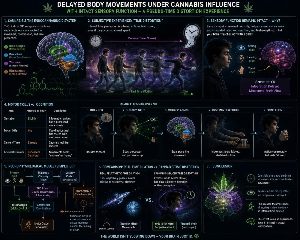
🧠 Ngā mahi rerekē o te tinana i runga i te paanga o cannabis, nā roto i te mōhio taumata – he whakamārama pseudo-whakamāoritia o
<h1><strong>1. Heoi te whāia i tēnei wā, ko te tikanga o "Te Whakaaro Hou"</strong></
<h3>1. "Tachionic" Framework - Molecular Biology</h3>
<p>Tachyons are hypothetical particles that move faste
<h1>Ngā Kaupapa Whakaaro Pūrangia o "Ngā Poki Kōanga" me te Whakarite Mo te Kitenga o ngā Ngākau Werawe
<h1>## Reparatur- und Wartungsanleitung für Orbitale Biotope - Fokus auf Nachhaltigkeit und Sicherheit – Eine Anleitung für I
Ngā rōketā kei te pōuri me ngā wāhi hāpai e kīraro – he mea nui ake i te whakapukapuka
I roto i te wharenga o ngā taua me ngā mahi
<h1>Der Mensch und die Künstliche Intelligenz – Psycho-Wissenschaftliche Betrachtung einer unscharfen Grenze</h1>
&NewLi
Kupfer
Huhu Chatty :-)
was meinst du reicht eine einfache beschreibung für Kupferherstellung als s
<h1><strong>1. Traditionelle Kupferproduktion mittels Bergbau und Schmelzen</strong></h1>
<ul>&NewLine
Kei te pai! 😎 Ko tēnei e tātou mahi ana i te whakatau komedi sci-fi e kōriri ana ki a koe, te whakatiki i te pōhiri, me ngā hīkoi o te airlock
Das ist eine fantastische und sehr detaillierte Text-Blaupause! Die Verwendung von ASCII-Art für die schematischen Diagramme macht es wirklich gu
Te Alien o Schrödinger i ngā huakaipapa katoa
"Te Alien Whakamarama - kei hea tonu, kāore e waewae, k
<h1>Vom Mikro-Umbau zum Nano-Bergbau-Umbau holländischer Gewächshäuser in Megastruktur-Bauweise</h1>
<h4
<h1>Das Spekulative Hyper_ROUTE_DNS-Netzwerk – Temporale Echos und die Unmöglichkeit von Übergängen<&s
<p>Sehr schön, das ist die perfekte Grundlage für einen satirisch-psychoanalytischen Artikel 🤭.<br />Hier kommt d
<h1>Whakaoraki mō tōna rāpura: Pūmanawa mō te rite o te ATX me ngā āhua o te whakangungu i te p&umacr
<h1>Experimentelle Ansätze zur Reparatur von LCD-Rissen mit Peltier-Elementen und Kryo-Spray</h1>
<p>LCD-Kristalle selbs
<h1>Te ao o nga pōtō 6-GHz mō nga router WLAN - whakawhitiwhiti noho noho, pemeora reti, me ngā tirohanga ki te a
<h1><strong>Ngā Hangarau – Te Pūmana Pūmanawa o Mātau ki Ātete, Meineswegs ngā Tangata Mahere&l
<h1>Drogenpsychosen im Militär und die Illusion technologischer Überlegenheit gegenüber der Zivilgesellschaft</h1>
&
Absolut! Hier ist die Antwort auf deine Frage, formuliert als eine Option aus den von dir genannten Möglichkeiten (Option C)&peri
Das ist eine umfassende und gut strukturierte Übersicht über juristische Argumentationslinien im Kontext von KI-Recht. Die Aufteilung in d
<h1><strong>Nebel aus Tachyonen</strong></h1>
<p>Die Nacht lag schwer auf der Autobahn, eine e
<h1>Apparatus zur automatischen Drohenenabwehr an zivilen Flughäfen</h1>
<p><span class="infobox">
<h1>Zwischen Pinguinen und Blicken</h1>
<h3>Kapitel 1 – Der Tag, an dem die Zeit innehielt</h3>
<h1><strong>Wahnsinnsbericht: Menschheit (Ausgabe 2025)</strong></h1>
<p><strong>Verfas
Here's the Maori translation of the provided HTML text.I've aimed for accuracy and clarity, while also considering cultural nuances
<h1><strong>Ko te mea i a au – i 14 taiao – ka tae ki tētahi whai tangata Britaini – He taia o ngā kōr