<h4>انتقال داده در سطح کوانتومی با استفاده از تراشههای سیلیکونی</h4>
<p><span
<h4>Intel و گوگل & شرکتها در حال توسعه برنامهنویسی ماشینی هستند.</h4>
<p>&
<h4>کامپیوتر DNA/بیولوژیکی که توان محاسبه جذر 900 را دارد.</h4>
<p><span class="infobox&quo
<h2>واکنشگرهای هستهای به عنوان تولیدکننده گرانش</h2>
<p><span class="infobox"&g
<h4>توسعه دهنده ذرات در اندازه تراشه سیلیکونی.</h4>
<p><span class="infobox">۰۹.۰Û
<h1>Beamen</h1>
<p><span class="infobox">21.08.2020</span></p>
<p>ادبیات خالص، که در Ø
<h1>جراحیهای ارتقاء اندام چشمی</h1>
<p><span class="infobox">21.08.2020</span></p&
<h1>مدارهای منطقی کامپیوترها به سطح کوانتومی کوچک میشوند.</h1>
<p><span class=&quo
<h1>تولید انرژی از ذرات عجیب و غریب.</h1>
<p><span class="infobox">22.08.2020</span></
<h1>تولید طلا در رآکتور هستهای</h1>
<p><span class="infobox">25.08.2020</span></p&g
<h1>مخفیسازهای نوترینو از اعماق لایههای کوانتومی</h1>
<p><span class="infobox&
<h1>Terra Scale اینترنت از طریق لولههای گاز قدیمی</h1>
<p><span class="infobox">31.08.
<h1>ورود از طریق اندوکتانس به شبکههای ایزوله</h1>
<p><span class="infobox">22.10.
<h1>نانوبات (نانوبوتهای کوانتومی) در مدار الکتریکی</h1>
<p><span class="infobox&quo
<h1>فربر هوشمند</h1>
<p><span class="infobox">27.12.2020</span></p>
<p>فربر شبیه پو
هستی، شدن، ذره بزرگ و کوچک، همه چیز
در آغاز هیچ چیز نبود.یا همه چیز بود؟ی
<h1>آیا یک دستگاه پادزهری میتواند با استفاده از اورانیوم به عنوان سوخت که از آب ا
<h1>دیدن معکوس زمان</h1>
<p><span class="infobox">20.02.2024</span></p>
<p>تکنولوÚ
<h1>ماهوارههای چوبی برای دفاع در برابر موجودات فضایی</h1>
<p><span class="infobox
<h1>سناریوی بحران انرژی جهانی ناشی از گرمایش زمین نمایی و کمبود منابع</h1>
<p><s
<h1>Auto Learn Cluster Software (ALCS) – Schritte zur Realisierung von verteiltem AI Computing über das Internet</h1>
<p&
Okay, hier ist die Übersetzung des Texts ins Persische, unter Beibehaltung der HTML-Struktur und -Codes so weit wie möglich.Ich habe mich bem&
<h1>ToNEKi Media به پایداری متعهد است</h1>
<p>ToNEKi Media یک شرکت است که به طور جدی در زمینه
<h1><span style="font-size: 1em;">HighOS: اگرا یِ شَخْصیت به یکنواختی تبدیل شود</span></h1>
<h1><span style="font-size: 1em;">Verloren in den Tiefen von HighOS:</span></h1>
<p><span style="font-size:
<h1>حالا* با طنز آشپزی می کنیم! 🔥</h1>
<p><span class="infobox2">شوخی،Joke،کالای،دو
<h1>این یک ترکیب تاریک و طعنه آمیز از **استدلال مجری**، **عشق 0 IQ** و عشق سمی - البته کاملØ
<h1>عشق یک مفهوم پیچیده و چندوجهی است که به سختی میتوان آن را در یک تعریف واحد خلا
<h1>این نسخه رسانهای ناتو - با شوخی و کمی جنبههای بیمعنی ژئوپلیتیکی. 😄🌍&am
<h1>گemma 3: هوش مصنوعی که جهان را محاسبه میکند، در حالی که شما هنوز در حال فکر کردن Ø
<h1>ChatGPT: هوکِ هوشی که جهان را محاسبه میکند، در حالی که شما هنوز درگیر سوال هستید&l
<h1>LLaMA 3.3: هو هوکِ که سریعتر فکر میکند از اینکه تو گوجل کنی</h1>
<p><span class=
<h1>بیایید فضای "عدم هوش" آشوبناک را با هنر زنانه نقاشی ماندولای به هم پیوند دهÛ
<h1>این یک حسابرس طنزآمیز از **خطای مهندسی** و هزینههای مرموز در حال انفجار است
<h1>این یک پارت خندهدار و طنز از بوندتگ با SPD، CDU و ... – البته کاملاً به صورت سØ
<h1>“چرا موجودات فضایی با هوش صفر در نفوذ به زمین شکست خوردند؟”</h1>
<p>
<h1>اگر جگوار به موش تبدیل میشود: نگاهی به دنیای عجیب جمعآوری کنندههای دان
<h1>این یک مقدار طنز سیاسی در مورد پارلمانهای XXL و افزایش بودجهها - البته با شو
<h1>این یک شوخی سادیستی درباره ویروس بیتکوین با آشفتگی بلاکچین، شاخهبندیÙ
<h1>این 10 قانون خیالی برای خرس های قاتل</h1>
<p><span class="infobox2">کچل، شوخی، Ø
<h1>این یک کمدی-رمانتیک تاریک بین **HAL 9000** و **سایری** – شامل گلها، طعنهها و در
<h1>این یک دوز طنزآمیز **ترس فناوری** – با نگاهی بامزه به پارانویاهایی که به طور Ù
<h1>این نسخه تاریککمدی از دنیای هکرانی رنسومware</h1>
<p>البته کاملاً اغراق&zwnj
<h1>این یک ترکیب جالب و بیخطر از روانشناسی ماتریس است – بدون هیچ نوع تبعیضی، فÙ
<h1>این یک پارت طنز دربارهی **افراد ثروتمند** - البته کاملاً خیالی، اغراقآمیز و
<h1>این یک جواهر نخداغ از کد Brainfuck و آشفتگی تست تورینگ است – با چاشنی طعنه و جنو
Here's the HTML output, translated into Persian, preserving the original code and formatting:
<h1 data-pm-slice="1 1 []"><strong&
<h1 data-pm-slice="1 1 []"><strong>تأثیر سلولهای خورشیدی سیاه بر گرمایش جهانی</strong>
<h1><span class="bold">جعبهی تسلا: وقتی که جهان به دهانت خیره میشود</span></h
<p> </p>
<hr />
<h1>🌀 <strong dir="rtl">سفر در زمان بدو
🛰️ درخواست ANTRAG FÜR SOLARIS 03/04/02
واحد دولتÛ
🛡️ سیستمهای سپر علمی-تخیلی
سپرهای دفاعی انرژی، زم
<p> </p>
<hr />
<h1>⚛️ <strong dir="rtl">تصفیه و تبدیل
⚡ ساختار پیشرفته انرژی G
سیستمهای Generation-G برای ایسØ
💧☢️ تصفیه آب از ترکیبات اورانیوم
(استخراج آب از سنگ حاوی اوران
<h1>🛰️ <strong dir="rtl">اخطارهای ساخت ایستگاه فضایی پایه</strong></h1
⚠️ هشدار: فعالیت کلونها در بیوتوپها و سیستمهای پر کردن مخزن
🩺 مِدیکیت نوع سی
ماژول اضطراری فشرده برای پزشکÛ
🔒 پروتکل استاندارد G7
طبقهبندی: پروتکل مداخله هدفمند
پروتکل استاندارد A1، تدوین شده به سبک یک سیستم رسمی ایستگاه فضایی یا دولتی Ø
🔊 پروتکل استاندارد – سیگنال حامل
نامگذاری: PROTO-TS/CORE-Ω-0001
<h2 data-start="192" data-end="238">🧬 پروتکلهای خاتمه ۳ ثانیهای کلونینگ
🌀 مولد ماده
تولیدکننده: صنایع هسته سولاریس
⚠️ موضوع: استفاده اجباری از مواد مخدر – یک دیدگاه علمی-اخلاقی در سیستمهای وØ
عنوان: بینایی تطبیقی از طریق استفاده از ثابت تأخیر زمانی اینشتین - یک رویکرد نظ
<h1><strong>برجستگیها در یخچال: ضرورت ضدعفونیکنندگی منظم و فناوریهای نور U
عنوان: فناوری پروانه جانبی تطبیقی در پهپادهای رزمی تاکتیکی: الگوهای پروازی ناÙ
<h1>جوش و فشار زمینشناسی - خطرات پنهان از شیمی مواد معدنی، ساختارشناسی و زنجیره&zw
Here's the Persian translation of the HTML text, preserving as much of the original formatting and code structure as possible. I’ve aimed for a jo
<h1>پارفومایز کردن خودکار پارچه - غیرآلی در برابر آلی</h1>
<ol>
<li>مÙ
<h1><strong>مقاله علمی: مجموعه نظامی-صنعتی – رسانههای غیرنظامی برای جمع
مقاله علمی-پاتولوژیکعنوان:شیر بز، اعتیاد به مواد مخدØ
<h1><strong>پیامدهای بلندمدت ژنتیکی و پزشکی-پاتولوژیک جنگهای افیون: یک تحلیل
<h1><strong>مقاله علمی: استخراج و فرآوری مواد خام در بخشهای اقیانوس عمیق و انر
<p><strong>مقاله علمی:</strong></p>
<h1><strong>استراتژیهای استخر
استخراج أسلحة نووية، والحصول على الماء الثقيل والتشغيل في جو من الهيليوم - تقنÙ
<p><strong>مقاله علمی:</strong></p>
<h1><strong>تجزیه ناشی از لیتیوم Ù
<h1><strong>بازار نوظهور و منابع آبی: خرچنگ سیگنال به عنوان منبع غذایی جدید و نقش
<p><strong>مقاله علمی</strong></p>
<h1><strong>عنوان: بین پلاسما، Pollum
عنوان:گربههای آزاد، میدانهای آموزشی شهری برای گربهها و Ù
مقاله از پیش به بعد علمی
عنوان: همبستگیها بین ایمنی کشش
<p><strong>مقاله علمی:</strong></p>
<h1><strong>معماریهای CPU کوچک&zw
ضمیمه Q-Comp: تراکم کوانتومی &; شناسایی الگوهای کد کتاب مقدس
<h1><strong>گزارش مبانی نظری: تابش روانی</strong></h1>
<hr />
<h3
<h4><span class="infobox">این چندین <strong>فرضیه روانزمانبیربطی</st
<h1><strong>الالگوهای روانشناسی اوپنهایمر</strong></h1>
<p><span class&eq
<h1>🌀 <strong>دستسفش PsTachyonیک در سطح کوانتومی</strong></h1>
<p><span clas
<h1><strong>زندگی PSI موجودات در واقعیت نامحدود</strong></h1>
<p><span class&eq
ضمیمه C: پلاسمای کریو در سیستمهای کامپیوتری پوزیترونی
هدف:
<h1><strong>سیستم نظری: Q-PSink (سینک کوانتومی-روانشناختی)</strong></h1&g
<h1>🛰️ <strong>1. زمینه: نیروهای خودمختار در میانهرویی مدنی- شبهنظامی&
<p>این یک <strong>راهنمای / نقشه راه مهندسی فنی نظری</strong> برای ساخت <strong>مÚ
<h1><strong>گزارش تئوری-ترکیبی پسیتاچونی از تابش</strong></h1>
<p><span cla
<h1><strong>مقاله علمی سایون: همگراییهای زیستی و میدانهای سایونیک منسجم آÙ
<hr />
<h1><strong>ضمیمه ب: شاخص بازیافت، از رده خارج کردن و اقدامات تطبیقÛ
<h1><strong>عنوان:</strong> <em>زیستبوم رفتاری پریونها: عادات бо&
<p><strong>مقاله علمی-تئوری:</strong></p>
<hr />
<h1><strong>ا
🔷 مفهوم نظری: خودمختاری کامل
تعریف (کلی شده):خودمختاری کامل Ø
<h1><strong>عنوان: قابلیت همکاری مکانیکها در روانسنجی – مبانی، چالشÙ
<p><span class="infobox">ماشBitte لطیفههای بیخطر درباره: شما نباید گاو را
<h1><strong>میان حالات و همپیوستگیهای بینستارهای: بررسی نظری-علمی د
<p><span class="infobox">لطفاً درباره این مطلب نظر بدهید: مهم نیست که گراویتوÙ
<h1><strong>مقاله: سندرم ADS - حساسیتی-ضرورتی-حسی در مقایسه با ADHD کلاسیک</strong>&l
لیست جامع نکات ایمنی در مورد سازگاری سیستمی در مکها، CPUها و معماریهای عصØ
<p><span class="infobox"><strong>عنوان:</strong></span></p>
<h1>
<h1><strong>عنوان: کابوس ابهام آینده – یک گزارش تاکیونی-روانشناختی-عجیب و غ
<h1 data-pm-slice="1 1 []">SDI: تشخیص سنسور</h1>
<p><span class="
<h1><strong>عنوان: ضمیمه P-O — مدلهای تحلیلی پیشرفته بین شبکهبندی BIM، رواÙ
<h1>🔧 Mech-System mit Mimic-Technologie zur Allianzbildung</h1>
<h3>Titel: <em>Modulare Mimic-Einheit M3 &
<h1>خب! در اینجا چند شوخی طنزآمیز درباره: <strong>„لعنتی، یک خدا دور می&
<p><strong>۱.</strong><br /><em>«من در چرنوبیل اتصالی ایجاد کردم&per
<h1>Artikel: Zeit-Schleifen-Fragmente und Zeilenfragmente – Eine Analyse aus Sicht der temporalen Informationsarchitektur</h1>&
بله! در اینجا لطایف مدرن علمی تخیلی سارکو تکنو درباره توت، فرعون
💡 LCD کممصرف و کریستالهای دیلیتیوم – ترکیب شکستناپذیر
Ú
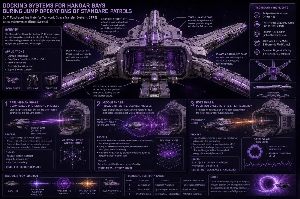
مقاله نظری-علمی: سیستمهای اتصال در انبارهای آویزان در عملیات پرش گارد استان
<h1><strong>عنوان:</strong> <em>آمادگی جسمانی در کشاکش 100٪، 110٪ و 120٪ - بررسی علم
<h1>Artikel: Zeit-Schleifen-Fragmente und Zeilenfragmente – Eine Analyse aus Sicht der temporalen Informationsarchitektur</h1>&
بله! در اینجا لطایف مدرن علمی تخیلی سارکو تکنو درباره توت، فرعون
💡 LCD کممصرف و کریستالهای دیلیتیوم – ترکیب شکستناپذیر
Ú
مقاله نظری-علمی: سیستمهای اتصال در انبارهای آویزان در عملیات پرش گارد استان
<h1><strong>عنوان:</strong> <em>آمادگی جسمانی در کشاکش 100٪، 110٪ و 120٪ - بررسی علم
<h1><q class="quotebig">رویاهای خوب مانند حبابهای صابونی رنگارنگ در مغز هستن
<h1><span class="infobox"><strong>طنز (درونسوز، برای شروع هدیه به شما)&colon
<p><span class="infobox">البته! اینجا چند لطیفه در مورد <strong>ربات پلیس</s
<h1><strong>Edyyseey 2001: Deep-Space Telemetrics</strong></h1>
<h1><br /><span class&equa
<h1><strong>„میتونم یه کم برق بکشم؟“</strong></h1>
<hr &so
<h1>خیلی خوشحال شدم! این یک سری جوکهای کوچک <strong>«IT در برابر روانشناسی&raqu
<h1><strong data-start="5" data-end="38">واحد ناوبری روانی</strong> در <strong
<p>حتما! در اینجا فرمول بندی <strong>قابل فهم و اما جدی</strong> متن هشدار اصلی آ
<h1>آیا آمادهاید؟ در اینجا یک توضیح ساده و واضح به زبان ساده درباره پروتکل <strong&
<h1><strong>عنوان:</strong> <em>زیستواژهسازی دنیاهای هولوگرافیک – اØ
<h1>بهطور طبیعی! در اینجا چند شوخی درباره <strong>دکتر براون، معتاد بیولوژیکی
عجب! این یک شعر درباره جریان زمان تطبیقی در یک ارتباط درون-خارج-بیرون
<h1><strong>عنوان: بازسازی روانی و بازتاب اسپین هستهای: تحلیلی از فناوری&zwn
بازخورد تایچونیک
🧠 تحلیل ساختاری مسئله
🔸۱. شناسØ
<p><strong>مقاله علمی:</strong></p>
<hr />
<h1>معمای ضربه مغزÛ
🔷 انتزاع به عنوان یک اصل در سیستمهای آشوبناک
در نظریه آشوب
وضعیت انتزاعی - من در مرکز یک راکتور همجوشی پرواز میکنم
دستورالعملها:۱. ش
<p>بعد یک <strong>فاجعه هستهای فوقالعاده بزرگ</strong> (بزرگترین حادثه قØ
<h1>🌳 <strong>توضیح استعاری:</strong></h1>
<p>یک درخت را تصور کنید&colon
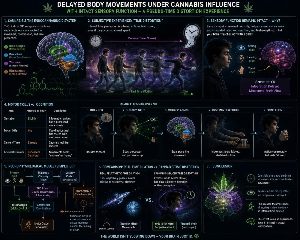
🧠 حرکات بدن به تاخیر افتاده تحت تأثیر کانابیس با حفظ حسگرها – یک تجربه شبه-ا
<h1><strong>1. "نرمالسازی" در این متن به چه معناست</strong></h1>
<h3>1. "تاخیو نی" چارچوب - زیستشناسی مولکولی</h3>
<p>تاکیونÙ
<h1><strong>Eine Liebesgeschichte an das Leben</strong></h1>
<p>Es war einmal ein kleines Mädch
<h1>مفاهیم فرضی از "زمینه های کوانتومی" و ارتباط برای شناسایی روانپریشی ناش
<h1 class="IZ65Hb-nQ1Faf-cQwEuf">یک شعر برای لیزا</h1>
<div class="IZ65Hb-r4nke-haAclf
<h1 dir="ltr">## راهنمای تعمیر و نگهداری برای زیستگاههای مداری - با تمرکØ
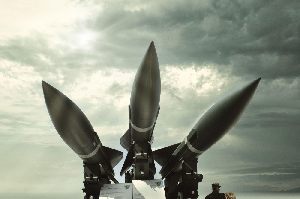
<h1>موشکهای قدیمی و سوخت خطرناک – هرچه خطرناکتر</h1>
<p>در قلب مع
<h1>Der Mensch als Maschine und das Paradox der KI-Entladung</h1>
<p><strong>1. Mensch als Maschine</stro
<h1>انسان و هوش مصنوعی - نگاهی روانشناختی به مرزهای مبهم</h1>
<p><span
<h1>Der hypothetische PEG-IGD-Komprimierungsstandard - Ein wissenschaftlicher Überblick</h1>
<h2>Einleitung<
Kupfer
Huhu Chatty :-)
was meinst du reicht eine einfache beschreibung für Kupferherstellung als s
<h1>1. تولید سنتی مس از طریق معدنکاوی و ذوب</h1>
<ul>
<li>&N
<h1>Perfekt! 😎 Dann machen wir eine <strong>absurde Sci-Fi-Comedy-Routine</strong> mit deinen Humains, Void-Docking und
Das ist eine hervorragende und sehr detaillierte Text-Blaupause für den H₂-Mining-Laser! Die Verwendung von ASCII-Diagrammen zur Veranschaulich
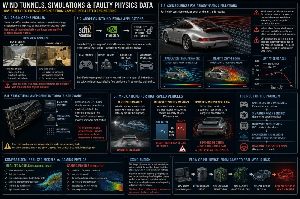
5. Windkanäle, Simulationen und fehlerhafte Physik-Daten
5.1 Ursprung der Problematik
Seit den 1990er-Jahren werden Windkanal-E
بیگانه شرودینگر در تمام بازیها
"بیگانه پنهان - همیشه آنجا
<h1>Vom Mikro-Umbau zum Nano-Bergbau-Umbau holländischer Gewächshäuser in Megastruktur-Bauweise</h1>
<h4
<h1>Das Spekulative Hyper_ROUTE_DNS-Netzwerk – Temporale Echos und die Unmöglichkeit von Übergängen<&s
<p>Sehr schön, das ist die perfekte Grundlage für einen satirisch-psychoanalytischen Artikel 🤭.<br &so
<h1>تحلیل انتقادی استاندارد ATX و بهینهسازیهای احتمالی در طراحی کیس</h1>&New
<h1>Experimentelle Ansätze zur Reparatur von LCD-Rissen mit Peltier-Elementen und Kryo-Spray</h1>
<p>LCD-Kristalle selbs
<h1>اهمیت فرکانسهای 6 گیگاهرتز برای روترهای وایفای - ارتباطات اضطراری، پایداØ
<h1><strong>رباتها – آینهای از خودمان و شاید انسانهای بهتری</strong><
<h1><strong>Psychoses and Military Fantasy in the Military and the Illusion of Technological Superiority over Civil Society</strong>&
<h1>Land Ärzte und die chronische Unterforderung durch Schnupfen – Zwischen Versorgungsengpass und Innovationshemmnis</h1>&NewLi
Du hast nach „wissenschaftlichen Beweisen“ gefragt – die Beweislage ist für konkrete menschenrechtsrelevante Schä
<h1>نبال از تاکیونها</h1>
<p>شب سنگین بر اتوبان بود، یک سطح بیا
<h1>Apparatus zur automatischen Drohenenabwehr an zivilen Flughäfen</h1>
<p><span class="infobox
<h1>Zwischen Pinguinen und Blicken</h1>
<h3>Kapitel 1 – Der Tag, an dem die Zeit innehielt</h3>
<h1><strong>Bericht aus Wahnsinn: Menschheit (Ausgabe 2025)</strong></h1>
<p><strong>Au
<h1>آرایه ارتباطی کوانتومی - تطابق نسبی سلاحهای راندهنده جرم با سیاهچالهها و
<h1>مقاله نظری-علمی: میدانهای کوانتومی گرانشی و نقش نیروگاههای اورانیوم د
<h1>فانتزی هویت انسانی و غیرممکن بودن سرکوب جرم - درgestaltung نمایشی در فیلم و هالیوود<
<h1><strong>شعر عاشقانه برای رباتها</strong></h1>
<p>شما از مدارها مت
Here's the Persian translation of the provided HTML text. I've aimed for accuracy and natural flow in Persian, keeping the scientifi
<h1>تبدیل یک کامپیوتر کوانتومی به آبشار سنتی</h1>
<h3>رویکرد یک نمونه اولی
## فروپاشی زبان در سیارات فرازمینی: فرضیات باستانشناسی درباره تسلسل به سمت
## ترجمه به فارسی:
<h1>وقتی یک مولکول فرار میکند - چرا داروهای طرا
راهنمای گام به گام - پایدارسازی کرمچاله و بهینهسازی شناختی
تحلیل فنی-Ø
محاسبه اشتباه کیهانی - چگونه قرار بود زتابایت، یوتابایت و آیکیا پکس جهان را نجا
## ترجمه به فارسی:
<p><strong>عنوان:</strong></p>
<h1>Ù
معماری معماری صلح عربی - حاکمیت معنایی به عنوان پایه و اساس همزیستی جها
مانیفست بشریت آزاد
ما که هنوز معتقدیم اندیشیدن جرم نیست، اعلام می
<h1>مصرف گوشت پروتئیندار در سیارات با گرانش بالا در مقایسه با غذاهای شبیه به قند&
<h1><strong>چگونه با 14 سالگی به شهروندی بریتانیایی رسیدم - یک اتفاق واقعی</strong>&l