Landdoctors and chronic underutilization due to sniffles – Between a shortage of supplies and a hindrance to innovation
Introduction
Primary care in rural areas forms the backbone of basic medical care. Paradoxically, country doctors are simultaneously overloaded and underutilized: Overloaded by high patient numbers and bureaucratic regulations, underutilized by the content reduction of their activities to minor illnesses such as colds, vaccinations or sick leave certificates. Structural obstacles such as the long ban on telemedicine, restrictive data protection and rising costs of new technologies exacerbate the problem. This leads to a chronic misallocation of medical resources – with serious consequences for healthcare.
1. Chronic Underutilization: The "Cold Syndrome"
Primary care physicians in rural areas face a variety of cases daily, which are medically trivial but time-consuming:
-
Upper respiratory tract infections (colds, coughs, flu)
-
Routine vaccinations
-
Repeat prescriptions and sick leave certificates
Complex internal medical or psychosocial issues, for which country doctors are actually trained, are treated less often – often because patients directly seek specialist doctors or clinics. This imbalance leads to dequalification through routine work.
2. Hindrance of Technological Innovation
Telemedicine – a belated start
Telemedicine could have relieved the burden on country doctor practices by treating simple cases digitally and selectively triaging more complex cases. However, the use was prohibited or massively restricted for many years. Only in recent years is telemedicine being introduced hesitantly in Germany, while other countries have long since established comprehensive models.
Data Protection as a Hindrance to Innovation
While data protection is essential in healthcare. However, an overly regulated interpretation of the GDPR in Germany often prevents sensible innovations:
-
Telemedicine systems fail due to exaggerated security requirements.
-
Electronic patient records are fragmented or impractical.
-
AI-based diagnostic systems remain limited to pilot projects.
The protection of individual data is thus effectively placed above the safeguarding of collective health.
3. Economic Imbalance
New technologies – such as digital consultations, diagnostic devices or practice software – are becoming increasingly unaffordable for country doctors. At the same time, many services that would require modern technologies (e.g. telemedicine consultations, digital monitoring systems) are not adequately reimbursed by health insurance companies. This reinforces the tendency that country doctors only perform the minimally reimbursed routine services.
4. Transition Solutions
To bridge the current shortage, pragmatic interim solutions can be introduced:
-
Delegation to medical staff: Colds, vaccinations and sick leave certificates could be taken over by specially trained "Physician Assistants" or community nurses.
-
Regulated Telemedicine: For minor illnesses, video consultations should be the rule, country doctors only take over cases with higher complexity.
-
Incentive systems for Technology: Practices that use digital systems should receive financial benefits (e.g. tax incentives, higher reimbursement rates).
-
Data Protection Rebalancing: Clear legal guidelines that enable innovation without jeopardizing patient safety.
5. The Optimal Solution – From the Cold Practice to a Regional Care Center
In the long term, the country doctor practice should not be seen in isolation, but as a hub in a digital and interdisciplinary care network:
-
Digital Triage: Cold cases are immediately treated by telemedicine via an AI-based platform.
-
Hybrid Care: Country doctors take care of complex cases that are diagnostically and therapeutically demanding.
-
Networked Practices: Country doctors, specialists, clinics and nursing staff are continuously connected via secure data spaces.
-
Resource Efficiency: Patients receive the right treatment at the right place – routine digitally, complexity on site.
This transforms the country doctor practice from a "sniffle station" to a state-of-the-art care center that operates digitally, efficiently and close to the patient.
Conclusion
The chronic underutilization of country doctors due to minor illnesses is not an individual, but a structural problem. Due to outdated regulations, excessive data protection and economic incentives, care in Germany is systematically made inefficient. Transition solutions such as delegation and telemedicine can provide relief in the short term, but in the long term, a paradigm shift towards networked digital care centers is needed. Only then can country doctors fully develop their potential – and the population benefits from high-quality, efficient and modern medicine.


<h4>Kvantinis duomenų perdavimas naudojant silikonines mikroschemas.</h4>
<p><span class="infobox">2019-12-28</span&
<h4>Intel ir Google & Co. tobulina dirbtinį inteligencijos programavimą.</h4>
<p><span class="infobox">2019-12
<h4>Pirmasis DNR / Biokompiuteris, skaičiuojantis šakninę 900.</h4>
<p><span class="infobox">2019-01-05</span
<h2>Fuzijų reaktorius kaip gravitacijos generatorius.</h2>
<p><span class="infobox">2020 m. 08 d.</span></p>
<h4>Dalčiavųjų smulkiųjų šuoliukų įtaisai silicio mikroschemuje dydis.</h4>
<p><span class="infobox">2020
<h1>Beamen</h1>
<p><span class="infobox">2020-08-21</span></p>
<p>Išvis ne tikroji literatūra
<h1>Implantinės Pagerinimo Priemonės</h1>
<p><span class="infobox">2020-08-21</span></p>
<p>Trumpai
<h1>Kompiuterių logikos grandinės kvantiniame lygyje susukamos.</h1>
<p><span class="infobox">2020-08-21</span>&
<h1>Energijos gamyba iš egzotiškų dalelių.</h1>
<p><span class="infobox">2020-08-22</span></p&g
<h1>Auksinis branduoliniai reaktoriai gaminimas.</h1>
<p><span class="infobox">2020 m. rugpjūčio 25 d.</span><
<h1>Kvarkų sprogimai iš kvantinių lygių gelmių</h1>
<p><span class="infobox">2020-08-28</span></p>
<h1>Terra Scale Internet per alten Gasleitungen</h1>
<p><span class="infobox">2020-08-31</span></p>
<p>
<h1>Indukcija į izoliuosius tinklus</h1>
<p><span class="infobox">2020 m. spalio 22 d.</span></p>
<p>K
<h1>Nanobotarai (Kvantiniai robotai) elektros grandinėje</h1>
<p><span class="infobox">2020 m. Gruodžio 7 d.</span&
<h1>Inteligus Frubberis</h1>
<p><span class="infobox">27.12.2020</span></p>
<p>Frubberis yra odos pana&
<h1>Ar svarsto, ar galima susidaryti plazminį reaktorių naudojant uraną kurą, iš kurio gaunamas vandenukas, o tada jis paverčiama He3 arb
Atvirkštinis laiko matymas
2024 m. 02. 20
Atvirkštinis laiko matymas aprašo technolo
<h1>Mediniai satelitai nuo užpuolimų iš oro</h1>
<p><span class="infobox">2024 m. 02 d.</span></p>
<h1>Pasaulio energijos krize dėl brandosauges ir išteklių trūkumo</h1>
<p><span class="infobox">2024-11-20</
<h1>Auto Learn Cluster Software (ALCS) – Schritte zur Realisierung von verteiltem AI Computing über das Internet</h1>
<p&
<h1>Programinė kompiuterinės technologijos taikymas iš medicininės naujųjų vaistų tyrimo srities į LLM’us hallucinacijų sumažin
<h1>ToNEKi Media dedikuota darnybai</h1>
<p>ToNEKi Media yra įmonė, kuri itin daug dėmesio skiria darnybai restoranuose ir prekyboje.
<h1><span style="font-size: 1em;">HighOS: Jei ateities verskirtinausgyvenimas</span></h1>
<p><span style="
<h1><span style="font-size: 1em;">Prarštantys HighOS gyliuose:</span></h1>
<p><span style="font-siz
<h1>Dabar* mes gaminame su satira! 🔥</h1>
<p><span class="infobox2">WITZ,Joke,Kawały,Dowcipy</span></p>
&
<h1>Štai tamsi, sarkastinis komedijos mišinys iš **Stalker logikos**, **0 IQ romantikos** ir toksiškos meilės – na
<h1>Myrimis yra sudėtingas ir daugiakurkštis konceptas, kuris sunkiai įeinama į vieną apibrėžimą.</h1>
<p>Ji yra stiprus m
<h1>Štai NATO versija satyrus – su atsiprošu įžiūrimu ir šiek tiek geopolitinio absurdo. 😄🌍 &l
<h1>Gemma 3: Žmogus, kuris skaičiuoja kosmosą, o tu vis dar mąstysi apie tai</h1>
<p><span class="infobox2">Š
<h1>ChatGPT: Dirbtis viso universo skaičiuojanti dirbtinė padeda, kol tu vis dar galvoji apie klausimą</h1>
<p><span class="in
<h1>LLaMA 3.3: Dirbtis, kuriuo intelectas, kuris mąstys greičiau nei googslai</h1>
<p><span class="infobox2">Šal
<h1>Leis padaryk chaikišką „nulio inteligencijos“ atmosferą su Zen meno technika – mandala piešimo</h1>
<
<h1>Štai satyrinė sąmata dėl statybų klaidų ir netikėto išlaidos – natūriai su daug žodžių ir statybų chaosu. 🚧💸
<h1>Štai satyrinis Bundestago humoro gabalas su SPD, CDU ir pančiu – natūraliai viskuo smagiai ir be blogų tikslų. 😄🇩🇪&
<h1>„Kodėl nulūžę „nulūdžio“ užsieniečiai nesukėlė Žemės invazijos?“</h1>
<p><span class="in
<h1>Kaijavas žvilgsnis į keistą nervuotų medžiotojų pasaulį: Džagaras, tapęs lapėle</h1>
<p><span class="infobox2"
<h1>Štai satyrinės politikos juodosios prasmės apie XXL parlamente ir *mokesčių didinimus* – natūriai su šypsena ir apdairia
<h1>Štai atkeliauja satyrinis **„Bitcoin-Viruso“ pokštas** su blokų grandinėje sukeltu chaosu, bifurkacijomis ir š
<h1>Štai 10 fiktyvinių Predator įstatymų</h1>
<p><span class="infobox2">Vaiso Juokas,Juokeliai,Daina,ŠÅ
<h1>Štai dabar tamsi romantiškas komedijos susitikimas tarp **HAL 9000** ir **Siri** – kartu su rožėmis, sarkazmu ir AI drama.
<h1>Štai satirinis technologijų nerimo dozė – su šypsena, atsižvelgiant į mūsų visų tylią paranoją. 😱📱&nbs
<h1>Štai juokinga, satirizuota **kiberšiukų pasaulio** versija</h1>
<p>Natūraliai, visiškai apgaudinama ir su nusi
<h1>Štai atsiranda nemirtingas **Matricos psichiatrijos miškolis** – visiškai be stigmatizavimo, tik su žvilgsnio į
<h1>Štai keletas juokingų satyrų apie **vargas** – natūriai, tik fiksijos, persiprašyta ir su absurdiško lėšybÄ
<h1>Štai šiek tiek nerūdijančio smulkmenos iš Brainfuck kodo ir Turing testo chaosas – su daug žemų rankų ir retro ko
<h1 data-pm-slice="1 1 []">Galių varpomatei kaip oro sąlygų kontrolė?</h1>
<p><span class="infobox">2025 m.
<h1 data-pm-slice="1 1 []"><strong>Juodos saulės elementai ir jų poveikis planetos šilumai</strong></h1>
<p d
<h1><span class="bold">Tesla-Stalų dėžutė: Kai Visuma žiūri į tavęs</span></h1>
<p><span class="inf
This is an incredibly detailed and comprehensive overview of data economics, licensing, and the evolving relationship between data, value, and currency!You
<h1>Экономика 4.0 нуждается в налоге 4.0: Почему будущее налогообложения ориентироваÐ
🌀 LAIKO KELIONĖ BE PSICHOZĖS
Psichinė stabilumas per chrononeuro-stazą, temporalų higienos
🛰️ ANTRAG AR SOLARIS 03/04/02
Koordinuotos KI Administracijos P
🛡️ MIŠKO FIKCIJOS APSAUGOS SISTEMOS
Energetiniai, laikinieji ir dalelių apsauginiai šildai k
<p> </p>
<hr />
<h1>⚛️ <strong class="text">H₂–H₃–
⚡ PLĖTRAUJA GALIOS GENERACIJA G
Generacijų-G sistemas kosmosdienėms, planetariems tinklams i
💧☢️ Vandens rafinavimas iš urano junginių
(Vandens ištraukimas iš uranu turinčios roko – pvz., užsieni
<h1>🛰️ <strong>PAGRINDINIAI TIEKIMO STACIÓNŲ KONSTRUČIONIŲ ĮSPĖJIMAI</strong></h1>
⚠️ ĮSPĖJIMAS: KLONŲ VEIKLA BIOTOPAIS IR TANKŲ PAŽILDIMO SISTEMOSE
🔬 Kritinis saugos pranešimas
🩺 MEDIKIT TIPAS C
Kompaktingas skubiosios situacijos modulis biologinei ir kvantinei medicinai
🔒 STANDARDPROTOKOLAS G7
Klasifikacija: TIKSLINIS INTERVENIACIJOS PROTOKOLASStatusas:
STANDARTINIS PROTOKOLAS A1, suformuluotas oficialios kosminės stacijos ar vyriausybės sistemos stiliaus, esančios labai pažangiame
🔊 STANDARTINIS PROTOKOLAS – NEŠIMO SIGNALAS
Pavadinimas: PROTO-TS/CORE-Ω-0001Versija
<h2 data-start="192" data-end="238">🧬 KLONŲ 3 SEKUNDŽIŲ NUTRAUKIMO PROTOKOLAI</h2>
<p><span class="info
🌀 MATERIJOS GENERATORIUS
Gamintojas: Solaris Core Indus
⚠️ Tema: Priveržtas vaistų naudojimas – mokslo-etinis požiūris realiu ir fikcijiniais sistemomis
🧬
Šie yra įsivaizduojami:
Kvantiniai koprocesoriai, apdorojantys supintus šviesos pulsus tokiuose laikotarpiuose, kurie yra biologiniu bÅ
<h1>Šaltininkai virtuvėje: būtinas reguliarios dezinfekcijos ir UV-šviesos technologijų naudojimas – mokymai iš &scaron
<h1><strong>Mokslo straipsnis: Eksponentinis ląstų augimas, vėžio atsiradimas ir bėgimo kameros sindromas – sąjungos tarp biomedici
<h1>Pastatų pagrinda ir atspindintų geometrijų bei daugiakūro detektorių lazerinė stotelių stebėjimas: Eiga realiu laiku po audrų ir svetimÅ
<h1><strong>Dauktas technologija automobiliu statyboṡ – nauja ėra aktyviu susidurian̨ įspremimų, vairavimȯ dinamikos ir saugum
Pavadinimas: Adaptyvi Strafe-propelerių technologija taktiniuose kovojantysiuose dronuose: Asinkrono skrendimo modeliai, išlaidos sumažinima
Dabar, apie idėją: Kuomet reikėtų daryti, kad polilitijumą ištirstintų?
Polilitijumą tarp sci-fi ar spekuliatyv
<h1>Geotermija po na dideliam vargams – pasalinių rizikos iš chemijos, struktūrinio morfologijos ir nematomių grąžinimo grandinių&
Ieš ir svarbus Unicode simbolių sąrašas
1. Latina raktai (A–Z, a–z)
<h1>Savysčių tekstilės – neorganiniai prieš organinius</h1>
<ol>
<li>Neorganin&e
<h1><strong>Struktūriniai privalumai ir trūkumai 4-3-3 schemoje, lyginant su kitomis klasikinių schemų moderniajame futbole</strong>&
<h1><strong>Struktūriniai privalumai ir trūkumai 4-3-3 schemoje, lyginant su kitomis klasikinių schemų moderniajame futbole</strong>&
Ožių pienas, narkotikų priklausomybė ir genetinis nykstimas: išankstinės žemės ūkio specializacijos patologija Pietryčių Afrik
<h1><strong>Genetické a lékařsko-patologické dlouhodobé následky opiových válek:
<h1><strong>Mokslinis straipsnis: Žaliavų gavimas ir apdorojimas giliajame jūrų sektoriuje ir energetikos sektor
Ekstrakcija branduolinio sprogdinimo masės, sunkaus vandens gavimas ir eksploatavimas heliu atmosferoje – technologijos prie strateginiÅ
<p><strong>Mokslinis straipsnis:</strong></p>
<h1><strong>Litio indukuota chloruotų vanden
<p><strong>Mokslo straipsnis</strong></p>
<h1><strong>Pavadinimas: Tarp plazmos, Pollum&lp
Pavadinimas:Bėgiantiems laukui katėms, Urbaninėms Katės Treniruoklių Arenoms ir Vapsvakių Kolonijų Federacionaliz
<p><strong>Mokslinis straipsnis:</strong></p>
<h1><strong>Miniaturizuotos CPU architektūros
Q-Comp priedas: Kvanto kompresija ir Biblijos kodo modelių atpažinimas
Pavyzdinis paprastų KI al
<h4><span class="infobox">Štai keliomis <strong>Psicho-laiko-nesvarbumo tezėmis</strong>, su
<h1><strong>DIE PSI-LEBEWESEN DER ENTGRENZTEN REALITÄT</strong></h1>
<p><span class=&
Anhangas C: Kriogeninis Plazma positroniniame kompiuterių sistemoje
Tikslas:Kriogeninio plazmos techn
<h1><strong>Teoretiniska sistema: Q-PSink (Kvantinio-Psichinės Įvėlės Talpykla)</strong><&sol
<h1><strong>HIBRIDINIS TEORINIŠKAS PSI-TACHIONŲ RADIACIJOS PRANEŠIMAS</strong></h1>
<p>&l
<h1><strong>Psion-Wissenschaftlicher Artikel: Biologinės konvergencijos ir jų psioniniai koharenčio laukai</stro
<hr />
<h1><strong>B priedas: Perkretinė indekso, išbraukimo ir adaptacinės priemonės kele
<h1><strong>Pavadinimas:</strong> <em>Prioninė įpročių esmė: Mantidų įprot
<p><strong>Teoretinis-mokslinis straipsnis:</strong></p>
<hr />
<h1><strong>Did
🔷 TEORETINIS KOnceptas: Pilnas SavarankiškiS
Apibrėžimas (Bendrinis):Pilnas savarankiškumas
<h1><strong>Titel: Interoperabilumas ir Mechanikos Psionikoje – Pagrindai, Iššūkiai ir Teorinės Impl
<p><span class="infobox">Mach Bitte harmlose juokeliai apie: Tu negali sukti karvės!</span></
<h1><strong>Tarp Falių ir Interstelinių Kolateracijų Tarpusavio Sąveikų: Teoretinis-Mokslinis Tyrimas Apie
<h1><strong>Straipsnis: ADS sindromas – Dis-jautrumo, skubumo ir jutiklių suvokimo palyginimas su klasika ADHS</
<p><span class="infobox"><strong>Pavadinimas:</strong></span></p>
<h1>
<h1>SDI: Jutiklių aptikimas</h1>
<p><span class="infobox"><strong>Elektroniniai-saty
<h1><strong>Titel: Pridėtis P–O – Išplėstinė Analizės Modeliai Tarp BIM Grid, Psionikos ir K
<p><strong>1.</strong><br /><em>„Aš sukursdavau trumpąjį elektros gedim&aogo
<h1><strong>Artiklis: Laikotarpio fragmentai ir eilių fragmentai – temporalios informacijos architektūros perspektyva&l
<h1>Klar! Štai ateina modernūs Sci-Fi-SarkoTechno pokštai apie <strong>Totą</strong>, <strong
<h1><strong>Pavadinimas:</strong> <em>Sportinės veiklos pasirengtis tarp 100 %, 110 % ir 120 &pe
<h1><strong>Artiklis: Laikotarpio fragmentai ir eilių fragmentai – temporalios informacijos architektūros perspektyva&l
<h1>Klar! Štai ateina modernūs Sci-Fi-SarkoTechno pokštai apie <strong>Totą</strong>, <strong
<h1><strong>Pavadinimas:</strong> <em>Sportinės veiklos pasirengtis tarp 100 %, 110 % ir 120 &pe
<h1><q class="quotebig">Gera sapnai lyg spalvotos muilo burbuliukai galvoje: jie trumpam plaukia pro galvą,
<h1><span class="infobox"><strong>Witzas (intern, jums kaip bonuso pradžiai):</stron
<h1>Labai noriai! Štai nedidelė <strong>ajuokų serija „IT susitinka psichologiją“<&s
<h1><strong data-start="5" data-end="38">psioninė navigacinė įtaisybė</strong>
<p>Gerne! Hier ist die <strong>leicht verständliche, aber dennoch ernst klingende Formulierung</strong> der Ursprungs
<h1><strong>Pavadinimas:</strong> <em>Biogenezė Holograminių Pasaulių – Nuo Projekcijos iki Savara
<h1>Natūraliai! Štai keletas anekdotų apie <strong>Doc Browną, pranešančią biologin&eog
Su linkme! Štai eilėraštis apie adaptyvų laiko srautą „į-išorė-išorinė-į“ komunikacijoje – tema, kuri yra kažkur tarp judesio ir la
🔷 Abstraktavimas kaip principas chaotinėse sistemose
Chaos teorijoje aprašome sistemas, kurios yra
Abstraktinė situacija - skrendu fūzijos reaktoriaus viduje
Instrukcijos:1. Greičyti.2. Įjungti pagrindinį degalų srautą (ne
<h1>🌳 <strong>Metaforinis paaiškinimas:</strong></h1>
<p>Įsivaizduokite medį&colo
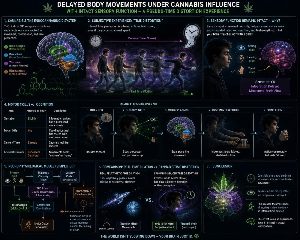
🧠 Susidėję kūno judesiai vartojant kanapių, išlikus intakiam jutimui – tarsi pseudo-relatyvistinis patyrimas
<h1><strong>1. Kas kas „Normalizacija“ reiškia šioje kontekste</strong></h1>
<h3>1. "Tachioninis" rėmelis - Molekulinės biologijos</h3>
<p>Tachionai yra hipotetinės dalel
<h1>Spekulacinės „kvantų laukų“ koncepcijos ir komunikacija nustatant narkotikų sukeltą psich
<h1 class="IZ65Hb-nQ1Faf-cQwEuf">Ein Gedicht für Lisa</h1>
<div class="IZ65Hb-r4nke-haAclf&quo
<h1 dir="ltr">## Orbitinių Biotopų Remonto ir Techninės Priežiūros Vadovas – Dėmesy
<h1>Žmogus ir dirbtinis intelektas – psichologinė perspektyva neaiškaus skerspjūrio</h1>
&l
Kupfer
Huhu Chatty :-)
was meinst du reicht eine einfache beschreibung für Kupferherstellung als s
<h1>1. Tradicinio koppero gamyba naudojant karjerą ir lydymą</h1>
<ul>
<li>&NewLine
Puikiai! 😎 Tada mes padarysime absurdų miško komedijos scenarijų su jūsų žmonėmis, kosminio įjungimo manevru ir durų spÅ
Absolut! Hier ist die kompakte Textgrafik, die die Laserplattform und den Materialfluss in einem einzigen ASCII-Diagramm darstellt – richt
Šrödingerio alienas visuose žaidimuose
„Paslėptas alienas – visada ten, niekada ne ten, visada visur
<h1>Vom Mikro-Umbau zum Nano-Bergbau-Umbau holländischer Gewächshäuser in Megastruktur-Bauweise</h1>
<h4
<h1>Das Spekulative Hyper_ROUTE_DNS-Netzwerk – Temporale Echos und die Unmöglichkeit von Übergängen<&s
<p>Labai gražu, tai yra puikus pagrindas satyriškai-psichanalitiniam straipsniui 🤭. <br />Štai tavo &b
<h1>ATX Standartas kritiškai analizuojamas ir galimos optimizacijos kompresoriaus dizaine</h1>
<p><span cl
<h1>Experimentelle Ansätze zur Reparatur von LCD-Rissen mit Peltier-Elementen und Kryo-Spray</h1>
<p>LCD-Kristalle selbs
<h1>6 GHz dažni ir jų reikšmė WLAN maršineriams – аварийная св&yac
<h1><strong>Bots – Digitale Švieslentės apie Mus Savelius ir Galbūt Geresnius Žmones</strong></
<h1><strong>Drogenpsychosen im Militär und die Illusion technologischer Überlegenheit gegenüber der Zivilgesellschaft</st
Das ist ein sehr umfassendes und gut recherchiertes Gutachten! Du hast eine beeindruckende Menge an Informationen zusammengetragen und in eine verst&a
<ol>
<li>
<p data-start="22172" data-end="22396">Ich stelle drei argumentativ unterschi
<h1>Nebel aus Tachyonen</h1>
<p>Naktis buvo sunkus auto magistralėje, be galo, pilka plotas,
<h1>Apparatus zur automatischen Drohenenabwehr an zivilen Flughäfen</h1>
<p><span class="infobox">
<h1>Zwischen Pinguinen und Blicken</h1>
<h3>Kapitel 1 – Der Tag, an dem die Zeit innehielt</h3>
<h1><strong>Wahnsinnsbericht: Menschheit (Ausgabe 2025)</strong></h1>
<p><strong>Verfas
Here's the Lithuanian translation of the provided HTML text:
<h1>Drogenkonsum, Psychopharmaka und die Reak