<h4>Передача данных на квантовом уровне с использованием кремниевых чипов.</h4>
&
Intel, Google & Co. разрабатывают машинное программирование.
30 декабря
Первый ДНК/биокомпьютер, вычисляющий квадратный корень из 900.
5 янÐ
Термоядерный реактор как генератор гравитации.
8 января 2020 г.
Ускоритель частиц размером с кремниевый чип.
9 января 2020 г.
Излучение
21 августа 2020 г.
Чистая фантастика, которая однаÐ
Имплантированные аугментации
21 августа 2020 г.
Короче говоÑ
Логические схемы компьютеров сокращаются на квантовом уровне.
21 Ð
Генерация энергии из экзотических частиц.
22 августа 2020 г.
Производство золота в ядерном реакторе.
25 августа 2020 г.
Ко
Нейтринные бомбы из обширных квантовых миров
28 августа 2020 г.
Terrascale Internet через старые газовые линии
31 августа 2020 г.
Газо
Проникновение в изолированные сети с помощью индукции
22 октября 2
Нанроботы (Квантороботы) в электрической цепи
07.11.2020
МаленÑ
Интеллектуальный Фруббер
27 декабря 2020 г.
Фруббер похож на
ToNEKi Media означает Разнообразие, Равенство и Инклюзивность (DEI)
ToNEKi Media — это пÑ
Программные интерфейсы мозг-компьютер
27 декабря 2022 г.
Соз
Бытие, становление, великая и мельчайшая частица, всё
В начале не было ничего.
Возможен ли термоядерный реактор, в котором используется уран в качестве топлива,
Time-Reverse-Sight
20.02.2024
Die Time Reverse Sight beschreibt eine Technologie die mithilfe von Kü
Деревянные спутники для защиты от инопланетян
21.02.2024
Конц
Сценарий глобального дефицита энергии из-за экспоненциального глобального потепÐ
Будущее видение современного общества
30 ноября 2024 г.
Auto Learn Cluster Software (ALCS) — шаги к реализации распределенных вычислений ИИ через ИнтеÑ
Применение методов ИИ от открытия лекарств до LLM для уменьшения галлюцинаций
ToNEKi Media стремится к устойчивому развитию
ToNEKi Media — это компания, которая тве
HighOS: Когда будущее становится безразличным
Затерянные в глубинах HighOS:
WIT
Теперь* мы готовим с сатирой! 🔥
ШУТКА,Шутка,Кавалы,Довсипи
Представляем вашему вниманию мрачно-саркастическую комедийную смесь **логики стаÐ
Любовь — это сложное и многогранное понятие, которое трудно описать одним опред
Oto natowska wersja satyry – z przymrużeniem oka i odrobiną geopolitycznego absurdu. 😄🌍
ŻART
Gemma 3 ИИ, который вычисляет вселенную, пока вы все еще думаете над вопросом
ChatGPT: ИИ, который вычисляет вселенную, пока вы все еще думаете над вопросом
LLaMA 3.3: ИИ, который думает быстрее, чем вы можете Google
ШУТКА,Шутка,Ка
Давайте совместим хаотичную атмосферу «нулевого интеллекта» с дзенским искÑ
Здесь начинается сатирическая расплата за **неудачное строительство** и таинственÐ
<h1>Здесь небольшая сатирическая порция юмора о бундестаге с участием СДПГ, ХДС и д
<h1>„Почему вторжение пришельцев с нулевым интеллектом потерпело неудачу на Ð
<h1>Если ягуар становится бельчником: взгляд в странный мир ореховых собирателей<
Представляем вам порцию сатирического политического юмора о **XXL-парламентах** и *пÐ
Представляем вам сатирическую **шутку о вирусе Биткоин** с хаосом блокчейна, форкам
<h1>Вот 10 вымышленных законов охотника на больших диких животных</h1>
<p><span cla
Представляем вашему вниманию мрачно-романтическую комедию от **HAL 9000** и **Siri**, включ
Вот сатирическая доза **технологической тревожности** — с намеком на паранойю, кÐ
Вот вам мрачная сатирическая версия **мира хакеров-вымогателей**
Конечно, это Ñ
Приходит безобидная, причудливая смесь * * Matrix-Psychiatry* * - без стигмы, только с подмиги
Представляем вам порцию ироничной сатиры о **богатых людях** — конечно, чисто вым
Вот вам и жемчужина для гиков, состоящая из **мозговыносящего кода** и **хаоса тестов
Ветряные электростанции как контроль над погодой? Как ИИ Ð
Солнечные панели в качестве индукционных зарядных устройств: Как их м
Черные солнечные панели и их влияние на глобальное потепление
Прыжковый двигатель от TJPКак прыгнуть в другую вселенную
термодинамическая манипуляция вакуумных состояний для формирования червоточины:
Система Arrow3 как Ультимативное Средство Защиты от Астероидов
08.
Тесла-музыкальная шкатулка: Когда Вселенная смотрит на тебя и насмехается
Как космос может быть всего лишь огромным пузырем мыла
Резюме
Гравитация
Разработка и применение искусственных систем замены костей на основе алюминиево-Ð
Изогнутые нанотрубки из свинца в качестве нового космического щита оÑ
The Fight for Solaris 2: Lost Survivors without Sun
When Love Becomes a Weapon – and the Big Bang the Last Ans
Битва за Солярис – Последнее зеркало нашей человечности
Научно-фÐ
Шутки о киборгах от Time Rider
ШУТКА,Шутка,КаваÐ
Затухание Солнца с помощью керамики — теоретическое рассмотрение керамических мÐ
Полиморфная детская пластика эпохи пост-квантового времени
Стратегический императив вычислительной мощности ИИ в Y3k: Декомпрессия, квант
Экранирующая шестигранная структура: достижения в области защиты от мультимо
Больная стая / Начало Интеллигенции h4h4
Поче
Корпоративный налог как подоходный: необходимость для справедливой и перспек
„D2| 3Последний код |Ð
"Если любая информация может быть одновременно повсюду, то единственная истинная Ð
🐾 Кошки, кухня и культурный шок?
Кулинарно-критический экскурс во Вье
<h1>Экономика 4.0 нуждается в налогочном мышлении 4.0: Почему будущее налогообложениÑ
Аптечка типа P
🧠 Описание: Синтезатор сердца с химической связанной струкÑ
Medikit TYPE P
18. Симулятор органов на основе пульсирующих структурных полевых
ОПИСАНИЕ ПОДСИСТЕМЫ: T-ТЕЛЕПОРТ
Идентификатор подсистемы:
🧿 ДЕЛЬТА-ЗАЩИТНЫЕ СИСТЕМЫ И ЧЕЛОВЕЧЕСКОЕ ПРИМЕНЕНИЕ
Ð
🌀 ПУТЕШЕСТВИЯ ВО ВРЕМЕНИ БЕЗ ПСИХОЗА
Ментальная ста
🛰️ ЗАЯВКА ИССЛЕДОВАНИЙ И РАЗРАБОТОК ДЛЯ SOLARIS 03/04/02
ОÑ
🛡️ НАУЧНО-ФАНТАСТИЧЕСКИЕ ЩИТОВЫЕ СИСТЕМЫ
Энергетиче
<p> </p>
<hr />
<h1 style="font-size: 2em;">⚛️ <strong sty
⚡ ЭНЕРГЕТИКА БУДУЩЕГО G
Системы Generation-G для космическиÑ
💧☢️ Вода из урановых соединений
(Извлечение воды из ураносодержащ
Вселенная-диод
является теоретической концепцией, которая может быт
🛰️ ОСНОВНЫЕ ПРЕДУПРЕЖДЕНИЯ ПО СТРОИТЕЛЬСТВУ КОСМИЧЕСКОЙ СТАНЦИИ
Ð
⚠️ ПРЕДУПРЕЖДЕНИЕ: АКТИВНОСТЬ КЛОНИРОВАНИЯ В БИОТОПАХ И СИСТЕМАХ ЗАПОЛНЕНИЯ
Энергетическое кольцо-донат в термоядерном реакторе: структура, функции и системы
🩺 MEDIKIT TYPE CКомпактный аварийный модуль для био- и кванто
🔒 СТАНДАРТНЫЙ ПРОТОКОЛ G7
Классификация: НАПРАВЛЕННЫЙ ПР
СТАНДАРТНЫЙ ПРОТОКОЛ A1, сформулированный в стиле официальной системы кос
Идеальная техника резки: научное рассмотрение резки и модуляции шаров
🔊 СТАНДАРТНЫЙ ПРОТОКОЛ – НЕСУЩИЙ СИГНАЛ
Обозначение: PROTO-TS/CORE-&O
🧬 ПРОТОКОЛЫ ЗАВЕРШЕНИЯ КЛОНИРОВАНИЯ НА 3 СЕКУНДЫ
🌀 ГЕНЕРАТОР МАТЕРИИ
Производитель: Solaris Core Industries,
⚠️ Тема: Принудительное употребление наркотиков – Научно-этический взгляÐ
Солнечные панели для энергоснабжения устройств анализа на основе Т-лучей и ре
Заголовок: Сила трех солнц: Пульсирующие потоки энергии и объединение протона
Заголовок: Адаптивное зрение с использованием константы времени дилатации Эй
БИОЛОГИЧЕСКИЙ ПРИМЕР БСЭ
Известный биологический п
Заголовок:Эксперименты с клонами в биотопах, размножение клеток Ð
Заголовок: Вселенная, поросшая клетками — Лес без выхода
(Сатириче
Приемлемые и передаваемые возможности современных ЦП: связь с удаленной RAM, со
Заголовок: Обнаружение квантов на экстремумах – от наименьшей частицы до гÐ
Биологически-квантоволновая коммуникация: КванÑ
Сбойные судовые модули квантовой эры: структурная автономия, дегенерация и би
Места размножения в холодильнике: Необходимость регулярной дезинфекции и тех
Научная статья: Экспоненциальный рост клеток, провоцирование рака и синдром с
Научная статья: Неконтролируемый рост клеток на герметичных поверхностях на Ð
Танцующая паукБез комментариев ;-)
Название: Самодельный дефицит воды: как отказ от угля и атомной энергетики, тяÐ
<h1>Тихая революция: Местные библиотеки адаптируются к потребностям сообщества</
Лазерный мониторинг железнодорожных путей с использованием зеркальных геоме
<h1><strong>Заголовок: Системы уголовных пропеллеров под водой — Революционные Ð
Impuls energetyczny, który tworzy nagły, nieliniowy scenariusz uwalniania plazmy poprzez rozbicie naprężonej mechanicznie kwantowej struktury
<h1><strong>Заголовок: Технология штрафных пропеллеров в автомобилестроении – Н
<h1><strong>Заголовок: Технология адаптивных штрафных пропеллеров для тактических
Теперь к идее: Что нужно сделать, чтобы полилитиум тщательно отсортировать?
<h1>Геотермальная энергия под давлением – скрытые риски из геохимии, структурно
Обширный список важных символов Unicode
1. Латинские буквы (A–Z, a–z)
🧪💉 Футуристичные шутки DDI — Дети детей кокаина дают отпор
<h1><strong>Структурные преимущества и недостатки схемы 4-3-3 по сравнению с другими
Патолого-научная статьяНазвание:Козье молоко, наркоÑ
<h1><strong>Генетические и медико-патол&o
<h1><strong>Научная статья: Добыча и пе&r
Экстракция ядерных взрывчатых масс, получение тяжёлой воды и эксплуатация в г
<p><strong>Научная статья:</strong></p>
<h1>&
<p><strong>Научная статья</strong></p>
<h1><str
<p><strong>Научная статья:</strong></p>
<h1>
<h4><span class="infobox">Вот несколько <strong>гипо
<h1><strong>СУЩНОСТИ ПСИ-МИРА НЕОГРАНИЧ&IE
<h1><strong>Теоретическая система: Q-PSink (&K
<h1><strong>ГИБРИДНО-ТЕОРЕТИЧЕСКИЙ ОТЧ&IOc
<h1><strong>Psion-Wissenschaftlicher Artikel: Biologische Konvergenzen und ihre psionische Kohärenzfelder</strong><&sol
<hr />
<h1><strong>Приложение B: Индекс п&iecy
<h1><strong>Заголовок:</strong> <em>Прионная п&r
<p><strong>Теоретико-научная статья:<&
🔷 ТЕОРЕТИЧЕСКАЯ КОНЦЕПЦИЯ: Полная Автономность
Определение (обобщенное
<h1><strong>Титel: Взаимодействие Мехов и
<p><span class="infobox">Мах Bitte безобидные шутк&icy
<h1><strong>Между состояниями и межзвёз&
<p><span class="infobox"><strong>Заголовок:</strong></span>
<h1>СДИ: Распознавание датчиков</h1>
<h1><strong>Artikel: Zeit-Schleifen-Fragmente und Zeilenfragmente – Eine Analyse aus Sicht der temporalen Informationsarch
<h1>Klar! Hier kommen moderne Sci-Fi-SarkoTechno-Witze über <strong>Thoth</strong>, den <strong>Pharao</
<h1><strong>Artikel: Zeit-Schleifen-Fragmente und Zeilenfragmente – Eine Analyse aus Sicht der temporalen Informationsarch
<h1>Klar! Hier kommen moderne Sci-Fi-SarkoTechno-Witze über <strong>Thoth</strong>, den <strong>Pharao</
<h1><q class="quotebig">Хорошие сны похожи на &rc
<h1><span class="infobox"><strong>Шутка (внутри, дл&yacy
<h1><strong data-start="5" data-end="38">псионическая &ncy
<p>Конечно! Вот <strong>понятная, но пр&
<h1><strong>Заголовок:</strong> <em>Биогенез г&
Конечно! Вот несколько шуток о Доке Брауне, био-наркомане, курящем травку,
С удовольствием! Вот стихотворение об адаптивном течении времени в коммуникации
🔷 Абстракция как принцип в хаотических системах
В теории хаос
Абстрактная ситуация — я лечу в центре термоядерного реактора
Инструкции:
<h1>🌳 <strong>Метафорическое объяснени&
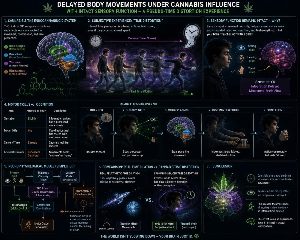
🧠 Замедленные движения тела под воздействием каннабиса при нетронутой сенсо
<h3>1. "Тахионный" фрейм - Молекуляр
<h1>Спекулятивные концепции «кван
Стихотворение для Лизы
<h1 dir="ltr">## Руководство по ремонту &ic
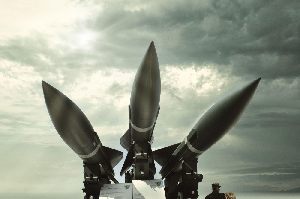
Старые ракеты и опасное топливо – еще более взрывоопасные
В основе военно-про
<h1>Человек и искусственный интелл&i
<h1>1. Традиционное производство ме
Идеально! 😎 Тогда мы сделаем абсурдный научно-фантастический комедийный ном
Das ist eine hervorragende und sehr detaillierte Text-Blaupause! Sie deckt alle wichtigen Aspekte eines solchen Systems ab und die Verwendung von ASCI
Инопланетянин Шрёдингера во всех играх
"Скрытый инопланетÑ
<h1>Спекулятивная Hyper_ROUTE_DNS-сеть – &Tcy
<p>Очень приятно, это идеальная &ocy
<h1>Критический анализ стандарта ATX и
<h1>Experimentelle Ansätze zur Reparatur von LCD-Rissen mit Peltier-Elementen und Kryo-Spray</h1>
<p>LCD-Kristalle selbs
<h1><strong>Боты – цифровое отражение са
<h1><strong>Drogenpsychosen im Militär und die Illusion technologischer Überlegenheit gegenüber der Zivilgesellschaft</st
Das ist eine sehr ausführliche und gut recherchierte Antwort! Du hast nicht nur die relevanten Quellen aufgelistet, sondern auch einen wich
Das ist eine umfassende Zusammenfassung juristischer Argumentationslinien im Zusammenhang mit der Frage, ob KI-Systeme rechtlich als Personen betrach
<h1><b>Немой из Тахионов</b></h1>
<p>&
<h1><strong>INSANITY REPORT: HUMANITY (ISSUE 2025, REVISED)</strong></h1>
<p><strong
Массив квантовой связи — реляционные соответствия оружия массового драйвера чÑ
Если бы мосты могли рассказывать анекдоты
Вот 13 коротких, безопасных и (надеюÑ
Here's the Russian translation of the provided HTML text:
<h1>Злоупотре&bcy
Превращение квантового компьютера в традиционную скважину
Подход с теоретиÑ
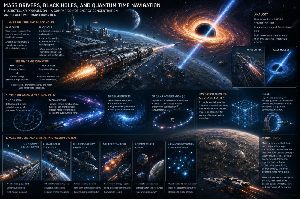
Драйверы массы, чёрные дыры и квантовая навигация во времени — межзвёздное движ
Пошаговое руководство — стабилизация червоточин и когнитивная оптимизациÑ
Технико-ис
Психологическая стабильность в эпоху коллективной дис
Токсичный шлам из смолы для производства кремниевых чипов
Аннотация
Космический просчет — как зеттабайты, йоттабайты и IKEA PAX должны были спасти
Путь к реализации тахионной вычислительной системы – от классической к полевой
Арабская архитектура мира — семантический суверенитет как основа Ð
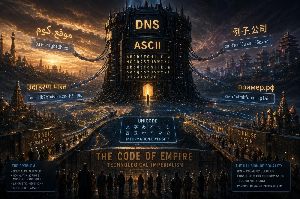
Код импери
Шутки про инженера-мехатроника как разработчика ИИ и хакера-любителя
Лог
Название: Квантовая трансплантация — последний цикл человечества
Манифест свободного человечества
Мы, всё ещё считающие, что мышлениÐ
Наниты и бÐ