Signifikans of 6-GHz Frequencies for WLAN Routers - Emergency Communication, Network Stability, and Future Prospects
Introduction
With the expansion of the spectrum for wireless communication, the 6-GHz band (5925–7125 MHz) opens up new possibilities for the operation of WLAN routers. These frequency ranges are increasingly viewed as a key resource for improving both the resilience of critical communication infrastructures and laying the foundation for future high-speed networks. While the 2.4 and 5 GHz bands are already heavily used and burdened by interference, the 6 GHz spectrum offers significant room for innovation.
6 GHz as a Primary Backup System for Emergency Communication
A central argument for using the 6-GHz spectrum lies in its ability to function as a redundancy layer in crisis situations. In the event of disruptions or failures in the conventional cellular network, a 6-GHz WLAN backbone can provide fast, local communication paths.
-
Increased Fault Tolerance: The additional frequency layer significantly reduces the likelihood of a complete communication breakdown.
-
Direct Device-to-Device Communication: Routers can establish peer-to-peer connections in the 6-GHz band, even when central infrastructures such as mobile masts are not available.
Automatic Networking and Network Formation
The 6-GHz band allows for an improved mesh topology for WLAN routers. Thanks to the higher available bandwidth and lower utilization, routers can automatically build stable connections with each other:
-
Self-Healing Networks: Routers detect disruptions and reroute data via alternative paths.
-
Increased Network Capacity: More channels in the 6-GHz range minimize collisions and improve QoS (Quality of Service).
-
Combination of Indoor and Outdoor Networks: Routers can be coupled to provide resilient coverage for entire neighborhoods.
Interference Interfaces to Cellular
Another advantage is the ability to create interference interfaces to cellular bands. By specifically interacting 6-GHz networks with 5G or future 6G bands, hybrid systems can be developed:
-
Frequency Harmonization: Carrier bands located one octave higher or lower allow for efficient frequency coordination.
-
Load Distribution: Data can be automatically distributed between WLAN and cellular networks, depending on network quality.
-
Bridge Technology: 6 GHz enables the synchronization of private WLAN with public broadband networks.
Future Prospects: Mega-High-Speed Networks
In addition to its function as a backup and integration system, the 6-GHz band opens up the potential for ultra-fast networks:
-
Gigabit Throughput with Low Latency: Applications such as AR/VR, holographic communication, or telemedicine benefit immediately.
-
Cost-Effectiveness: Since the infrastructure (routers, access points) is already widespread, only minor additional costs arise compared to completely new network technologies.
-
Booster for Existing Systems: By bundling 2.4, 5, and 6 GHz bands, end devices can dynamically use the optimal channels at all times.
Conclusion
The 6-GHz band is far more than just an extension of WLAN capacity. It can be understood as a strategic resource that elevates emergency communication, network stability, and cellular integration to a new level. At the same time, it forms the basis for future high-speed networks that support tomorrow's digital infrastructure with low additional costs. The role of the 6-GHz spectrum is therefore not only technological but also of high societal relevance.


Indiksyon nan rezo izole
22.10.2020
Kijan ou penèt rezo ki separe ki koupe ak mond lan deyò?
Solis
Men yon melanj komedi nwa, sarkastik nan **lojik stalker**, **lanmou 0 IQ** ak lanmou toksik - menm si se sèlman fiksyonal e gen mizik pou fè moun ko
Poukisa zetwal yo ki pa gen entelijans te echwe pou yo envane tè a?*
WITZ,Joke,Kawały,Dowcipy
Men yon pati nan mizik politik satirik sou **pèmanan ki twò gwo** ak *ogmantasyon salè* - menm si se avèk yon ti souri ak egzajerasyon fiktif. 😄
Men vini prezantasyon satire nwa sou mond *hacker ransomware* la
WITZ,Joke,Kawały,Dowcipy
🌀 VWAYAJ NAN TAN SANPSYKOZ
Estabilite Mantal atravè Krononuro-Stazis, Higyen Tetorik ak Ekranaj
🛰️ ANTRAG FÜ;R SOLARIS 03/04/02
Enite Byenestasyon Adm&ogr
🛡️ SÈSTEM SYÈL NAN FIKSYON SAYANS
Syèl defans enèjik, tanporèl, ak patikil pou vòl nan es
<p> </p>
<hr />
<h1>⚛️ <strong id="h1">RAFINASYON AK KONVÈS
⚡ ENERGIEERZEUGUNG G AVANS
Jenerasyon-G Sistèm pou estasyon espasyal, rezo planèt
💧☢️ Rafinasyon Dlo soti nan Konpozan Uran
(Ekstraksyon dlo soti nan wòch ki gen uran – pa egzanp, sou planÃ
<h1>🛰️ <strong translate="Haitian">AVÈTISMAN KONSTRIKSYON ESTASYON ESPAS DE BAZ</strong></h1>&
⚠️ AVÈNÒ: AKTIVITE KLON NAN BIOTOP YO AK SISTÈM RANMI TANK YO
🔬 Nòt Sekirite Kritikal
🩺 MEDIKIT KALITE C
Module Ijans Kompakt pou Medisin Bio- ak Quantum
🧭
🔒 PROTOKÒL STANDARD G7
Klasifikasyon: PROTOKÒL ENTERVENSIYON SELEKTEEstati: A
PROTOKÒL ESTANDA A1, fòme nan estil yon estasyon espasyal ofisyèl oswa sistèm gouvènman nan yon lòd teknolojik trè avanse (pa eg
🔊 PROTOKÒL STANDA – SINYAL KAPE
Dekonstitisyon: PROTO-TS/CORE-Ω-0001Vèsyon:
<h2 data-start="192" data-end="238">🧬 PROTOKOL KOLE 3-SEKON KONTINAL</h2>
<p><span cl
🌀 JENERE MATYER
Manifaktè: Solaris Core Industries, Depatman "Transmutasyon & Enèji"
⚠️ Sijè: Itilizasyon Dwòg Pwesyon – Yon Pèspektiv Syantifik-Etik nan Sistèm Reyèl ak Fiksyonèl
🧬
Tit: Vision Adaptatif nan Itilize Konstan Dilasyon Tan Einstein - Yon Apwòch Teyorik-Fizik pou Pwosesis Persepsyonèl Varyab Dinamikman
Tit: Teknoloji Pwopelè Strafe Adaptatif nan Drone Batay Taktik: Modèl Vol Asenkron, Rediksyon Kòst, ak Manèv Evazif nan Gè Ranmase Jodi a
<h1>🔷 KONSEPTE TEORIK: Endepandan Lepatri</h1>
<p><strong>Definisyon (Jeneral):</strong
<h1><strong>Artikel: ADS Sendwòm – Dissantibilite, Ijans & Sensòriksyon konpare ak ADHS k
<h1><strong>Titel: Mizik nan rèv an gwòch - Yon rapò absurd-psikononik-tachyonik</strong></h1>&N
<!DOCTYPE >
<>
<head>
<meta charset="UTF-8">
<title>SDI: Deteksyo
<h1><strong>Titel: Aneks P-O — Modèl Analiz Avanse ant BIM-Gridding, Psionik ak Chaj Kwilti nan Jaden Memwa N
<h1>🔧 Mech-Sistèm ak Teknoloji Mimik pou Fòme Alyans</h1>
<h3>Titel: <em>Modil Mimik Yonit M3 &a
<p><strong>1.</strong><br /><em>„Mwen fè kout-sikwi nan Tchernobyl la.&ldquo&
<h1><strong>Artikel: Zeit-Schleifen-Fragmente und Zeilenfragmente – Eine Analyse aus Sicht der temporalen Informationsarch
<h1>Klè! Menm jan, isit la wit zafé fen-fen Sci-Fi SarkoTechno sou <strong>Thoth</strong>, lan <str
💡 Low‑Power LCD &; Dilithium-Kristale – Yon konbiman inbatabl
Klasik ki ekonomize elektrisite a
<h1><strong>Titel:</strong> <em>Patiyans espò ak pwogramez fizik ant 100%, 110% e 120%
<h1><strong>Artikel: Zeit-Schleifen-Fragmente und Zeilenfragmente – Eine Analyse aus Sicht der temporalen Informationsarch
<h1>Klè! Menm jan, isit la wit zafé fen-fen Sci-Fi SarkoTechno sou <strong>Thoth</strong>, lan <str
💡 Low‑Power LCD &; Dilithium-Kristale – Yon konbiman inbatabl
Klasik ki ekonomize elektrisite a
<h1><strong>Titel:</strong> <em>Patiyans espò ak pwogramez fizik ant 100%, 110% e 120%
<h1><q class="quotebig">Bon rêv yo tankou bulab bal yo nan tèt ou: Yo flote nan tèt ou pou
<h1><span class="infobox"><strong>Witz (entèn, pou w kòm bonus-kòmansman):<
<p><span class="infobox">Klèman! Men toujou kèk blag sou <strong>RoboCop</strong> anba tem
<h1><strong>Edyyseey 2001: Deep-Space Telemetrics</strong></h1>
<h1><br /><span class&equa
<h1>Trè kontan! Men kit yon ti seri blag yo „Teknoloji Renkontre Psik“</h1>
<hr /&
<h1><strong>Yoninite navigasyon psionik</strong> nan <strong data-start="44" data-end="72">Mi
<p>Gerne! Hier ist die <strong>leicht verständliche, aber dennoch ernst klingende Formulierung</strong> der Ursprungs
<h1>Klèma! Men se yon ekspliksyon senp ak klè an lang fasil sou pwotokòl la <strong>Hyper_Gate_Hate<
<h1><strong>Titel:</strong> <em>Biogenez nan mond hologram - Nan projeksyon rive vivan</em></h1>&NewL
<h1>Natürlich! Hier kommen ein paar Witze über <strong>Doc Brown, den kiffenden Bio-Junky</strong
Kontanman! Men yon pwezi sou koule tan adaptatif nan kominikasyon an in-out-outter-in – yon sijè ki rete ant pwezi espas-tan, chanjman enfòmasyon
<h1><strong>Titel: Rekonstriksyon Psionik ak Refleksyon Spin Nicle: Analiz Teknoloji Reparing Dimansyonèl</strong>
🔷 Abstraksyon kòm yon prensip nan Sistèm Kaotik
Nan teori kaòs la, nou dekri sistèm ki se determin
Sitwasyon Abstra - Mwen Ap Vole nan Mil Rèaktè Fuzyon
Enstriksyon:1. Akselere.2. Enflame *afterburner* la (pa imedyatman), ak anp
<!DOCTYPE >
<>
<head>
<title>Yon Efè yo Nan Yon Super-GAU Niclea sou Flux Tan Lokal</tit
<h1>🌳 <strong>Pèsés Metòfik:</strong></h1>
<p>Se pa gen yon bwa nan tèt
🧠 Soveye kò a ralman anba enflyans kanap, ak sansasyon nouvo ki ap travay nòmal – yon eksperyans pseudo-dilatasyon tan
<h1><strong>1. Sa k ap mennen “Nòrmazasyon” nan konte sa a</strong></h1>
&
<h3>1. "Tachyonik" Kad - Biochimik Molekiler</h3>
<p>Tachyon yo patisik ipotetik ki deplase pi rapidman pase
<h1><strong>Eine Liebesgeschichte an das Leben</strong></h1>
<p>Es war einmal ein kleines Mädc
<h1>Konsep Yo Spekiltif yo "Champ Manyen" ak Kominikasyon pou Deteksyon Psikoz Drog</h1>
<p><span class=&
<h1 class="IZ65Hb-nQ1Faf-cQwEuf">Ein Gedicht für Lisa</h1>
<div class="IZ65Hb-r4nke-h
<h1>## Reparatur- und Wartungsanleitung für Orbitale Biotope - Fokus auf Nachhaltigkeit und Sicherheit – Eine Anleitung für I
<h1>Alte Raketen und gefährdeter Treibstoff – umso explosiver</h1>
<p>Im Herzen des militärisch-industriellen
<h1>Der Mensch als Maschine und das Paradox der KI-Entladung</h1>
<p><strong>1. Mensch als Maschine<
<h1>Der Mensch und die Künstliche Intelligenz – Psycho-Wissenschaftliche Betrachtung einer unscharfen Grenze</h1>
<p&
Kupfer
Huhu Chatty :-)
was meinst du reicht eine einfache beschreibung für Kupferherstellung als s
<h1><strong>1. Traditionelle Kupferproduktion mittels Bergbau und Schmelzen</strong></h1>
<ul>&NewLine
Parfait! 😎 Lè sa a nou pral fè yon sitou komedi absid sci-fi ak imen ou yo, dokajman nan vid la, ak kout pousèt pòt lè a—tou
Das ist eine hervorragende und detaillierte Text-Blaupause! Sie deckt alle wichtigen Aspekte eines H₂-Mining-Lasersystems ab und ist sehr gut strukt
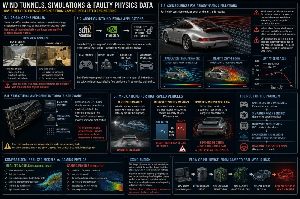
5. Windkanäle, Simulationen und fehlerhafte Physik-Daten
5.1 Ursprung der Problematik
Seit den 1990er-Jahren werden Windkanal-E
Etrangnen Schrödinger nan tout jwèt yo
<h1>Vom Mikro-Umbau zum Nano-Bergbau-Umbau holländischer Gewächshäuser in Megastruktur-Bauweise</h1>
<h4
<h1>Das Spekulative Hyper_ROUTE_DNS-Netzwerk – Temporale Echos und die Unmöglichkeit von Übergängen<&s
<p>Sehr schön, das ist die perfekte Grundlage für einen satirisch-psychoanalytischen Artikel 🤭.<br &so
<h1>Analyse Critique du Standard ATX et Optimisations Possibles dans la Conception des Boîtiers</h1>
<p><sp
<h1>Experimentelle Ansätze zur Reparatur von LCD-Rissen mit Peltier-Elementen und Kryo-Spray</h1>
<p>LCD-Kristalle selbs
<h1><strong>Bots – Digitale Spiegel unserer selbst und vielleicht die besseren Menschen</strong></h1>&NewLin
<h1><strong>Drogenpsychosen im Militär und die Illusion technologischer Überlegenheit gegenüber der Zivilgesellschaft</st
<h1><strong>Médecins de campagne et la sous-qualification chronique due aux rhumes – Entre pénurie de ressources et blocage
Das ist eine sehr ausführliche und gut recherchierte Antwort auf die Frage nach "wissenschaftlichen Beweisen" für KI-bezogene Menschenr
This is a well-structured and comprehensive outline of potential legal arguments regarding "harm" caused by AI, presented with clear distin
<h1><strong>Nebel aus Tachyonen</strong></h1>
<p>Die Nacht lag schwer auf der Autobahn, eine e
<h1>Apparatus zur automatischen Drohenenabwehr an zivilen Flughäfen</h1>
<p>Kurz vorweg: Ich kann <str
<h1>Zwischen Pinguinen und Blicken</h1>
<h3>Kapitel 1 – Der Tag, an dem die Zeit innehielt</h3>
<h1><strong>Wahnsinnsbericht: Menschheit (Ausgabe 2025)</strong></h1>
<p><strong>Verfas
<h1>Quanten-Kommunikations-Array - Relationale &Übereinstimmungen von Massetreiber-Waffen zu Schwarzen Löchern und Wurmloch Tachyonen&l
<h1>Die Fantasie des menschlichen Bewusstseins und die Unmöglichkeit der Verdrängung von Straftaten - Zur theatralischen Ausgestaltung in F
Here's a Haitian Creole translation of the provided HTML text, attempting to capture both the literal meaning and poetic essence:
Here's the translation of the provided HTML text into Haitian Creole:
<h1>Konsom Drog, Psikofarmaka ak Reaktivizasy
Absolutely! Here's the Haitian Creole translation of the provided HTML text, aiming for accuracy and natural flow:
&
Here's the Haitian Creole translation of the provided HTML text, aiming for accuracy and a natural flow:
<h1&
## Haitian:
<p><strong>titre:</strong></p>
<h1>Polymères organiqu
<h1><span class="selected">L'architecture arabe de la paix - La souveraineté sémantique comme fondement de
<h1>Ede moun ki manje vyann rich ak pwoteyin sou planèt ki gen gwo gravite kont manje ki sanble ak sik</h1>
<p><st
<h1><strong>Kijan mwen – ak 14 an – rive jwenn sitwayènte britanik – Yon verite reyèl</strong><&so