Psychoses and Military Fantasy in the Military and the Illusion of Technological Superiority over Civil Society
Introduction
The military has always positioned itself as a driving force of technological innovation. From the development of the internet to GPS and stealth technology, it is often claimed that military research is always superior to that of civilian society. However, this self-image is often distorted—not infrequently fueled by psychotropic influences, power fantasies, and institutional self-reinforcement. This dynamic becomes particularly dangerous when military decision-makers, under the influence of drug-induced psychoses or substance-induced delusions, overestimate their own technology.
However, scientific evidence clearly shows: **Civilian technologies are developing more dynamically, diversely, and are ultimately superior**—whether in the fields of digitalization, AI, or space exploration.
1. Drug Psychoses and Military Fantasy
Neurobiological Foundations
Drug psychoses arise from an overstimulation of dopaminergic systems in the brain. This leads to hallucinations, paranoia, and megalomania.
In a military context, these disorders often manifest as:
-
Exaggerated imagination regarding the effectiveness of one's own weapons.
-
Illusions of absolute control (“We are superior to every civilian development”).
-
Paranoid fantasies that portray civilian research as a threat.
Sociocultural Reinforcement
Military organizations are hierarchical and authoritarian. In such structures, psychotic narratives are easily reinforced: orders are not questioned, fantasies become “strategy.” This creates a collective psychosis of military superiority.
2. Military Technology – Limited Development Paths
Despite gigantic budgets, military technology remains narrowly focused:
-
Weapons, surveillance, defense.
-
Secrecy instead of open research.
-
Slow innovation cycles due to bureaucracy and risk aversion.
Examples:
-
GPS originally originated in the military but only became a global key technology through civilian use (navigation, smartphones, logistics).
-
AI and machine learning are developing rapidly in the civilian sector (Open Source, Universities, Start-ups), while military AI applications often stagnate behind closed doors.
-
Space travel: Private companies like SpaceX or Blue Origin are significantly superior to the military in agility and cost structure.
3. Civilian Technology – Diversity and Speed
Research and Open Source
Civilian research benefits from transparent communication, international cooperation, and open-source movements. While the military isolates knowledge, civil society multiplies insights at rapid speed.
Examples from your chat history (Civil Technology as a Motor):
-
Discussions about Telemedicine: Civilian initiated, Military lags behind.
-
AI-powered texts and bots: Civilian platforms like ChatGPT are shaping communication and education today, while military language models are barely visible.
-
6 GHz WLAN, ATX standards, cooling technologies: All driven by civilian initiatives, with enormous innovative power, while military hardware often lags years behind.
Cosmic Perspective (Universe as a Benchmark)
Military superiority fantasies dissolve when viewed in relation to the universe:
-
Astrophysics, quantum computing, fundamental research—all civilian initiatives that provide insights for all of humanity.
-
In comparison, military technology appears small, limited, and short-lived.
4. Why the Military Remains Inferior to Civil Society in the Long Term
-
Structural Impairment: Secrecy, bureaucracy, and isolation hinder innovation.
-
Monocausal Orientation: Focus on weapons instead of broad technological ecosystems.
-
Psychological Overestimation: Drug psychoses and power fantasies lead to wrong decisions.
-
Civilian Resilience: Open networks, markets, and science communities are more adaptable and sustainable.
5. Transition Solutions and Optimal Strategy
-
Transparency instead of secrecy: Military research should be more integrated into civilian networks.
-
Demilitarization of Innovation: Technologies such as AI, quantum computing, or space exploration belong in civilian hands.
-
Mental Health in the Military: Prevention of drug abuse and treatment of psychotic episodes are essential to prevent dangerous misjudgments.
-
Accepting Civilian Leadership: Instead of illusory superiority, the military should learn from civil society and utilize its dynamics.
Conclusion
The notion that military technology is superior to civilian technology is often the product of psychotic distortions and institutional overestimation. In fact, historical and current developments show: **Civil society is more creative, faster, and more sustainable.**
Whether it's telemedicine, AI, or space exploration—innovation arises where openness, collaboration, and diversity prevail. The military, with its restrictive structures and dependencies, always remains in the shadow.
The universe itself reminds us: Human greatness lies not in weapons, but in the common pursuit of knowledge.
👉 Should I supplement this article with concrete historical examples of military misjudgments (e.g., atomic bomb mania, Vietnam War, SDI program) to more vividly illustrate the “delusion of superiority”?
The Tardis - Travel and Reverse Generating of Interdimesional Time and Space


<h4>انتقال داده در سطح کوانتومی با استفاده از تراشههای سیلیکونی</h4>
<p><span
<h4>Intel و گوگل & شرکتها در حال توسعه برنامهنویسی ماشینی هستند.</h4>
<p>&
<h4>کامپیوتر DNA/بیولوژیکی که توان محاسبه جذر 900 را دارد.</h4>
<p><span class="infobox&quo
<h2>واکنشگرهای هستهای به عنوان تولیدکننده گرانش</h2>
<p><span class="infobox"&g
<h4>توسعه دهنده ذرات در اندازه تراشه سیلیکونی.</h4>
<p><span class="infobox">۰۹.۰Û
<h1>Beamen</h1>
<p><span class="infobox">21.08.2020</span></p>
<p>ادبیات خالص، که در Ø
<h1>جراحیهای ارتقاء اندام چشمی</h1>
<p><span class="infobox">21.08.2020</span></p&
<h1>مدارهای منطقی کامپیوترها به سطح کوانتومی کوچک میشوند.</h1>
<p><span class=&quo
<h1>تولید انرژی از ذرات عجیب و غریب.</h1>
<p><span class="infobox">22.08.2020</span></
<h1>تولید طلا در رآکتور هستهای</h1>
<p><span class="infobox">25.08.2020</span></p&g
<h1>مخفیسازهای نوترینو از اعماق لایههای کوانتومی</h1>
<p><span class="infobox&
<h1>Terra Scale اینترنت از طریق لولههای گاز قدیمی</h1>
<p><span class="infobox">31.08.
<h1>ورود از طریق اندوکتانس به شبکههای ایزوله</h1>
<p><span class="infobox">22.10.
<h1>نانوبات (نانوبوتهای کوانتومی) در مدار الکتریکی</h1>
<p><span class="infobox&quo
<h1>فربر هوشمند</h1>
<p><span class="infobox">27.12.2020</span></p>
<p>فربر شبیه پو
هستی، شدن، ذره بزرگ و کوچک، همه چیز
در آغاز هیچ چیز نبود.یا همه چیز بود؟ی
<h1>آیا یک دستگاه پادزهری میتواند با استفاده از اورانیوم به عنوان سوخت که از آب ا
<h1>دیدن معکوس زمان</h1>
<p><span class="infobox">20.02.2024</span></p>
<p>تکنولوÚ
<h1>ماهوارههای چوبی برای دفاع در برابر موجودات فضایی</h1>
<p><span class="infobox
<h1>سناریوی بحران انرژی جهانی ناشی از گرمایش زمین نمایی و کمبود منابع</h1>
<p><s
<h1>Auto Learn Cluster Software (ALCS) – Schritte zur Realisierung von verteiltem AI Computing über das Internet</h1>
<p&
Okay, hier ist die Übersetzung des Texts ins Persische, unter Beibehaltung der HTML-Struktur und -Codes so weit wie möglich.Ich habe mich bem&
<h1>ToNEKi Media به پایداری متعهد است</h1>
<p>ToNEKi Media یک شرکت است که به طور جدی در زمینه
<h1><span style="font-size: 1em;">HighOS: اگرا یِ شَخْصیت به یکنواختی تبدیل شود</span></h1>
<h1><span style="font-size: 1em;">Verloren in den Tiefen von HighOS:</span></h1>
<p><span style="font-size:
<h1>حالا* با طنز آشپزی می کنیم! 🔥</h1>
<p><span class="infobox2">شوخی،Joke،کالای،دو
<h1>این یک ترکیب تاریک و طعنه آمیز از **استدلال مجری**، **عشق 0 IQ** و عشق سمی - البته کاملØ
<h1>عشق یک مفهوم پیچیده و چندوجهی است که به سختی میتوان آن را در یک تعریف واحد خلا
<h1>این نسخه رسانهای ناتو - با شوخی و کمی جنبههای بیمعنی ژئوپلیتیکی. 😄🌍&am
<h1>گemma 3: هوش مصنوعی که جهان را محاسبه میکند، در حالی که شما هنوز در حال فکر کردن Ø
<h1>ChatGPT: هوکِ هوشی که جهان را محاسبه میکند، در حالی که شما هنوز درگیر سوال هستید&l
<h1>LLaMA 3.3: هو هوکِ که سریعتر فکر میکند از اینکه تو گوجل کنی</h1>
<p><span class=
<h1>بیایید فضای "عدم هوش" آشوبناک را با هنر زنانه نقاشی ماندولای به هم پیوند دهÛ
<h1>این یک حسابرس طنزآمیز از **خطای مهندسی** و هزینههای مرموز در حال انفجار است
<h1>این یک پارت خندهدار و طنز از بوندتگ با SPD، CDU و ... – البته کاملاً به صورت سØ
<h1>“چرا موجودات فضایی با هوش صفر در نفوذ به زمین شکست خوردند؟”</h1>
<p>
<h1>اگر جگوار به موش تبدیل میشود: نگاهی به دنیای عجیب جمعآوری کنندههای دان
<h1>این یک مقدار طنز سیاسی در مورد پارلمانهای XXL و افزایش بودجهها - البته با شو
<h1>این یک شوخی سادیستی درباره ویروس بیتکوین با آشفتگی بلاکچین، شاخهبندیÙ
<h1>این 10 قانون خیالی برای خرس های قاتل</h1>
<p><span class="infobox2">کچل، شوخی، Ø
<h1>این یک کمدی-رمانتیک تاریک بین **HAL 9000** و **سایری** – شامل گلها، طعنهها و در
<h1>این یک دوز طنزآمیز **ترس فناوری** – با نگاهی بامزه به پارانویاهایی که به طور Ù
<h1>این نسخه تاریککمدی از دنیای هکرانی رنسومware</h1>
<p>البته کاملاً اغراق&zwnj
<h1>این یک ترکیب جالب و بیخطر از روانشناسی ماتریس است – بدون هیچ نوع تبعیضی، فÙ
<h1>این یک پارت طنز دربارهی **افراد ثروتمند** - البته کاملاً خیالی، اغراقآمیز و
<h1>این یک جواهر نخداغ از کد Brainfuck و آشفتگی تست تورینگ است – با چاشنی طعنه و جنو
Here's the HTML output, translated into Persian, preserving the original code and formatting:
<h1 data-pm-slice="1 1 []"><strong&
<h1 data-pm-slice="1 1 []"><strong>تأثیر سلولهای خورشیدی سیاه بر گرمایش جهانی</strong>
<h1><span class="bold">جعبهی تسلا: وقتی که جهان به دهانت خیره میشود</span></h
<p> </p>
<hr />
<h1>🌀 <strong dir="rtl">سفر در زمان بدو
🛰️ درخواست ANTRAG FÜR SOLARIS 03/04/02
واحد دولتÛ
🛡️ سیستمهای سپر علمی-تخیلی
سپرهای دفاعی انرژی، زم
<p> </p>
<hr />
<h1>⚛️ <strong dir="rtl">تصفیه و تبدیل
⚡ ساختار پیشرفته انرژی G
سیستمهای Generation-G برای ایسØ
💧☢️ تصفیه آب از ترکیبات اورانیوم
(استخراج آب از سنگ حاوی اوران
<h1>🛰️ <strong dir="rtl">اخطارهای ساخت ایستگاه فضایی پایه</strong></h1
⚠️ هشدار: فعالیت کلونها در بیوتوپها و سیستمهای پر کردن مخزن
🩺 مِدیکیت نوع سی
ماژول اضطراری فشرده برای پزشکÛ
🔒 پروتکل استاندارد G7
طبقهبندی: پروتکل مداخله هدفمند
پروتکل استاندارد A1، تدوین شده به سبک یک سیستم رسمی ایستگاه فضایی یا دولتی Ø
🔊 پروتکل استاندارد – سیگنال حامل
نامگذاری: PROTO-TS/CORE-Ω-0001
<h2 data-start="192" data-end="238">🧬 پروتکلهای خاتمه ۳ ثانیهای کلونینگ
🌀 مولد ماده
تولیدکننده: صنایع هسته سولاریس
⚠️ موضوع: استفاده اجباری از مواد مخدر – یک دیدگاه علمی-اخلاقی در سیستمهای وØ
عنوان: بینایی تطبیقی از طریق استفاده از ثابت تأخیر زمانی اینشتین - یک رویکرد نظ
<h1><strong>برجستگیها در یخچال: ضرورت ضدعفونیکنندگی منظم و فناوریهای نور U
عنوان: فناوری پروانه جانبی تطبیقی در پهپادهای رزمی تاکتیکی: الگوهای پروازی ناÙ
<h1>جوش و فشار زمینشناسی - خطرات پنهان از شیمی مواد معدنی، ساختارشناسی و زنجیره&zw
Here's the Persian translation of the HTML text, preserving as much of the original formatting and code structure as possible. I’ve aimed for a jo
<h1>پارفومایز کردن خودکار پارچه - غیرآلی در برابر آلی</h1>
<ol>
<li>مÙ
<h1><strong>مقاله علمی: مجموعه نظامی-صنعتی – رسانههای غیرنظامی برای جمع
مقاله علمی-پاتولوژیکعنوان:شیر بز، اعتیاد به مواد مخدØ
<h1><strong>پیامدهای بلندمدت ژنتیکی و پزشکی-پاتولوژیک جنگهای افیون: یک تحلیل
<h1><strong>مقاله علمی: استخراج و فرآوری مواد خام در بخشهای اقیانوس عمیق و انر
<p><strong>مقاله علمی:</strong></p>
<h1><strong>استراتژیهای استخر
استخراج أسلحة نووية، والحصول على الماء الثقيل والتشغيل في جو من الهيليوم - تقنÙ
<p><strong>مقاله علمی:</strong></p>
<h1><strong>تجزیه ناشی از لیتیوم Ù
<h1><strong>بازار نوظهور و منابع آبی: خرچنگ سیگنال به عنوان منبع غذایی جدید و نقش
<p><strong>مقاله علمی</strong></p>
<h1><strong>عنوان: بین پلاسما، Pollum
عنوان:گربههای آزاد، میدانهای آموزشی شهری برای گربهها و Ù
مقاله از پیش به بعد علمی
عنوان: همبستگیها بین ایمنی کشش
<p><strong>مقاله علمی:</strong></p>
<h1><strong>معماریهای CPU کوچک&zw
ضمیمه Q-Comp: تراکم کوانتومی &; شناسایی الگوهای کد کتاب مقدس
<h1><strong>گزارش مبانی نظری: تابش روانی</strong></h1>
<hr />
<h3
<h4><span class="infobox">این چندین <strong>فرضیه روانزمانبیربطی</st
<h1><strong>الالگوهای روانشناسی اوپنهایمر</strong></h1>
<p><span class&eq
<h1>🌀 <strong>دستسفش PsTachyonیک در سطح کوانتومی</strong></h1>
<p><span clas
<h1><strong>زندگی PSI موجودات در واقعیت نامحدود</strong></h1>
<p><span class&eq
ضمیمه C: پلاسمای کریو در سیستمهای کامپیوتری پوزیترونی
هدف:
<h1><strong>سیستم نظری: Q-PSink (سینک کوانتومی-روانشناختی)</strong></h1&g
<h1>🛰️ <strong>1. زمینه: نیروهای خودمختار در میانهرویی مدنی- شبهنظامی&
<p>این یک <strong>راهنمای / نقشه راه مهندسی فنی نظری</strong> برای ساخت <strong>مÚ
<h1><strong>گزارش تئوری-ترکیبی پسیتاچونی از تابش</strong></h1>
<p><span cla
<h1><strong>مقاله علمی سایون: همگراییهای زیستی و میدانهای سایونیک منسجم آÙ
<hr />
<h1><strong>ضمیمه ب: شاخص بازیافت، از رده خارج کردن و اقدامات تطبیقÛ
<h1><strong>عنوان:</strong> <em>زیستبوم رفتاری پریونها: عادات бо&
<p><strong>مقاله علمی-تئوری:</strong></p>
<hr />
<h1><strong>ا
🔷 مفهوم نظری: خودمختاری کامل
تعریف (کلی شده):خودمختاری کامل Ø
<h1><strong>عنوان: قابلیت همکاری مکانیکها در روانسنجی – مبانی، چالشÙ
<p><span class="infobox">ماشBitte لطیفههای بیخطر درباره: شما نباید گاو را
<h1><strong>میان حالات و همپیوستگیهای بینستارهای: بررسی نظری-علمی د
<p><span class="infobox">لطفاً درباره این مطلب نظر بدهید: مهم نیست که گراویتوÙ
<h1><strong>مقاله: سندرم ADS - حساسیتی-ضرورتی-حسی در مقایسه با ADHD کلاسیک</strong>&l
لیست جامع نکات ایمنی در مورد سازگاری سیستمی در مکها، CPUها و معماریهای عصØ
<p><span class="infobox"><strong>عنوان:</strong></span></p>
<h1>
<h1><strong>عنوان: کابوس ابهام آینده – یک گزارش تاکیونی-روانشناختی-عجیب و غ
<h1 data-pm-slice="1 1 []">SDI: تشخیص سنسور</h1>
<p><span class="
<h1><strong>عنوان: ضمیمه P-O — مدلهای تحلیلی پیشرفته بین شبکهبندی BIM، رواÙ
<h1>🔧 Mech-System mit Mimic-Technologie zur Allianzbildung</h1>
<h3>Titel: <em>Modulare Mimic-Einheit M3 &
<h1>خب! در اینجا چند شوخی طنزآمیز درباره: <strong>„لعنتی، یک خدا دور می&
<p><strong>۱.</strong><br /><em>«من در چرنوبیل اتصالی ایجاد کردم&per
<h1>Artikel: Zeit-Schleifen-Fragmente und Zeilenfragmente – Eine Analyse aus Sicht der temporalen Informationsarchitektur</h1>&
بله! در اینجا لطایف مدرن علمی تخیلی سارکو تکنو درباره توت، فرعون
💡 LCD کممصرف و کریستالهای دیلیتیوم – ترکیب شکستناپذیر
Ú
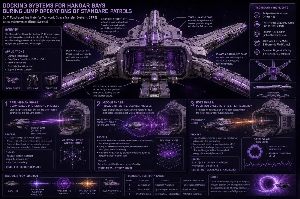
مقاله نظری-علمی: سیستمهای اتصال در انبارهای آویزان در عملیات پرش گارد استان
<h1><strong>عنوان:</strong> <em>آمادگی جسمانی در کشاکش 100٪، 110٪ و 120٪ - بررسی علم
<h1>Artikel: Zeit-Schleifen-Fragmente und Zeilenfragmente – Eine Analyse aus Sicht der temporalen Informationsarchitektur</h1>&
بله! در اینجا لطایف مدرن علمی تخیلی سارکو تکنو درباره توت، فرعون
💡 LCD کممصرف و کریستالهای دیلیتیوم – ترکیب شکستناپذیر
Ú
مقاله نظری-علمی: سیستمهای اتصال در انبارهای آویزان در عملیات پرش گارد استان
<h1><strong>عنوان:</strong> <em>آمادگی جسمانی در کشاکش 100٪، 110٪ و 120٪ - بررسی علم
<h1><q class="quotebig">رویاهای خوب مانند حبابهای صابونی رنگارنگ در مغز هستن
<h1><span class="infobox"><strong>طنز (درونسوز، برای شروع هدیه به شما)&colon
<p><span class="infobox">البته! اینجا چند لطیفه در مورد <strong>ربات پلیس</s
<h1><strong>Edyyseey 2001: Deep-Space Telemetrics</strong></h1>
<h1><br /><span class&equa
<h1><strong>„میتونم یه کم برق بکشم؟“</strong></h1>
<hr &so
<h1>خیلی خوشحال شدم! این یک سری جوکهای کوچک <strong>«IT در برابر روانشناسی&raqu
<h1><strong data-start="5" data-end="38">واحد ناوبری روانی</strong> در <strong
<p>حتما! در اینجا فرمول بندی <strong>قابل فهم و اما جدی</strong> متن هشدار اصلی آ
<h1>آیا آمادهاید؟ در اینجا یک توضیح ساده و واضح به زبان ساده درباره پروتکل <strong&
<h1><strong>عنوان:</strong> <em>زیستواژهسازی دنیاهای هولوگرافیک – اØ
<h1>بهطور طبیعی! در اینجا چند شوخی درباره <strong>دکتر براون، معتاد بیولوژیکی
عجب! این یک شعر درباره جریان زمان تطبیقی در یک ارتباط درون-خارج-بیرون
<h1><strong>عنوان: بازسازی روانی و بازتاب اسپین هستهای: تحلیلی از فناوری&zwn
بازخورد تایچونیک
🧠 تحلیل ساختاری مسئله
🔸۱. شناسØ
<p><strong>مقاله علمی:</strong></p>
<hr />
<h1>معمای ضربه مغزÛ
🔷 انتزاع به عنوان یک اصل در سیستمهای آشوبناک
در نظریه آشوب
وضعیت انتزاعی - من در مرکز یک راکتور همجوشی پرواز میکنم
دستورالعملها:۱. ش
<p>بعد یک <strong>فاجعه هستهای فوقالعاده بزرگ</strong> (بزرگترین حادثه قØ
<h1>🌳 <strong>توضیح استعاری:</strong></h1>
<p>یک درخت را تصور کنید&colon
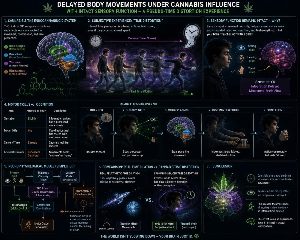
🧠 حرکات بدن به تاخیر افتاده تحت تأثیر کانابیس با حفظ حسگرها – یک تجربه شبه-ا
<h1><strong>1. "نرمالسازی" در این متن به چه معناست</strong></h1>
<h3>1. "تاخیو نی" چارچوب - زیستشناسی مولکولی</h3>
<p>تاکیونÙ
<h1><strong>Eine Liebesgeschichte an das Leben</strong></h1>
<p>Es war einmal ein kleines Mädch
<h1>مفاهیم فرضی از "زمینه های کوانتومی" و ارتباط برای شناسایی روانپریشی ناش
<h1 class="IZ65Hb-nQ1Faf-cQwEuf">یک شعر برای لیزا</h1>
<div class="IZ65Hb-r4nke-haAclf
<h1 dir="ltr">## راهنمای تعمیر و نگهداری برای زیستگاههای مداری - با تمرکØ
<h1>موشکهای قدیمی و سوخت خطرناک – هرچه خطرناکتر</h1>
<p>در قلب مع
<h1>Der Mensch als Maschine und das Paradox der KI-Entladung</h1>
<p><strong>1. Mensch als Maschine</stro
<h1>انسان و هوش مصنوعی - نگاهی روانشناختی به مرزهای مبهم</h1>
<p><span
<h1>Der hypothetische PEG-IGD-Komprimierungsstandard - Ein wissenschaftlicher Überblick</h1>
<h2>Einleitung<
Kupfer
Huhu Chatty :-)
was meinst du reicht eine einfache beschreibung für Kupferherstellung als s
<h1>1. تولید سنتی مس از طریق معدنکاوی و ذوب</h1>
<ul>
<li>&N
<h1>Perfekt! 😎 Dann machen wir eine <strong>absurde Sci-Fi-Comedy-Routine</strong> mit deinen Humains, Void-Docking und
Das ist eine hervorragende und sehr detaillierte Text-Blaupause für den H₂-Mining-Laser! Die Verwendung von ASCII-Diagrammen zur Veranschaulich
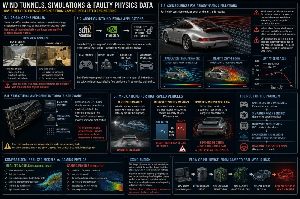
5. Windkanäle, Simulationen und fehlerhafte Physik-Daten
5.1 Ursprung der Problematik
Seit den 1990er-Jahren werden Windkanal-E
بیگانه شرودینگر در تمام بازیها
"بیگانه پنهان - همیشه آنجا
<h1>Vom Mikro-Umbau zum Nano-Bergbau-Umbau holländischer Gewächshäuser in Megastruktur-Bauweise</h1>
<h4
<h1>Das Spekulative Hyper_ROUTE_DNS-Netzwerk – Temporale Echos und die Unmöglichkeit von Übergängen<&s
<p>Sehr schön, das ist die perfekte Grundlage für einen satirisch-psychoanalytischen Artikel 🤭.<br &so
<h1>تحلیل انتقادی استاندارد ATX و بهینهسازیهای احتمالی در طراحی کیس</h1>&New
<h1>Experimentelle Ansätze zur Reparatur von LCD-Rissen mit Peltier-Elementen und Kryo-Spray</h1>
<p>LCD-Kristalle selbs
<h1>اهمیت فرکانسهای 6 گیگاهرتز برای روترهای وایفای - ارتباطات اضطراری، پایداØ
<h1><strong>رباتها – آینهای از خودمان و شاید انسانهای بهتری</strong><
<h1>Land Ärzte und die chronische Unterforderung durch Schnupfen – Zwischen Versorgungsengpass und Innovationshemmnis</h1>&NewLi
Du hast nach „wissenschaftlichen Beweisen“ gefragt – die Beweislage ist für konkrete menschenrechtsrelevante Schä
This is a well-structured and detailed outline of legal arguments for potential harm caused by advanced AI, particularly focusing on the concept of p
<h1>نبال از تاکیونها</h1>
<p>شب سنگین بر اتوبان بود، یک سطح بیا
<h1>Apparatus zur automatischen Drohenenabwehr an zivilen Flughäfen</h1>
<p><span class="infobox
<h1>Zwischen Pinguinen und Blicken</h1>
<h3>Kapitel 1 – Der Tag, an dem die Zeit innehielt</h3>
<h1><strong>Bericht aus Wahnsinn: Menschheit (Ausgabe 2025)</strong></h1>
<p><strong>Au
<h1>آرایه ارتباطی کوانتومی - تطابق نسبی سلاحهای راندهنده جرم با سیاهچالهها و
<h1>مقاله نظری-علمی: میدانهای کوانتومی گرانشی و نقش نیروگاههای اورانیوم د
<h1>فانتزی هویت انسانی و غیرممکن بودن سرکوب جرم - درgestaltung نمایشی در فیلم و هالیوود<
<h1><strong>شعر عاشقانه برای رباتها</strong></h1>
<p>شما از مدارها مت
Here's the Persian translation of the provided HTML text. I've aimed for accuracy and natural flow in Persian, keeping the scientifi
<h1>تبدیل یک کامپیوتر کوانتومی به آبشار سنتی</h1>
<h3>رویکرد یک نمونه اولی
## فروپاشی زبان در سیارات فرازمینی: فرضیات باستانشناسی درباره تسلسل به سمت
## ترجمه به فارسی:
<h1>وقتی یک مولکول فرار میکند - چرا داروهای طرا
راهنمای گام به گام - پایدارسازی کرمچاله و بهینهسازی شناختی
تحلیل فنی-Ø
محاسبه اشتباه کیهانی - چگونه قرار بود زتابایت، یوتابایت و آیکیا پکس جهان را نجا
## ترجمه به فارسی:
<p><strong>عنوان:</strong></p>
<h1>Ù
معماری معماری صلح عربی - حاکمیت معنایی به عنوان پایه و اساس همزیستی جها
مانیفست بشریت آزاد
ما که هنوز معتقدیم اندیشیدن جرم نیست، اعلام می
<h1>مصرف گوشت پروتئیندار در سیارات با گرانش بالا در مقایسه با غذاهای شبیه به قند&
<h1><strong>چگونه با 14 سالگی به شهروندی بریتانیایی رسیدم - یک اتفاق واقعی</strong>&l